
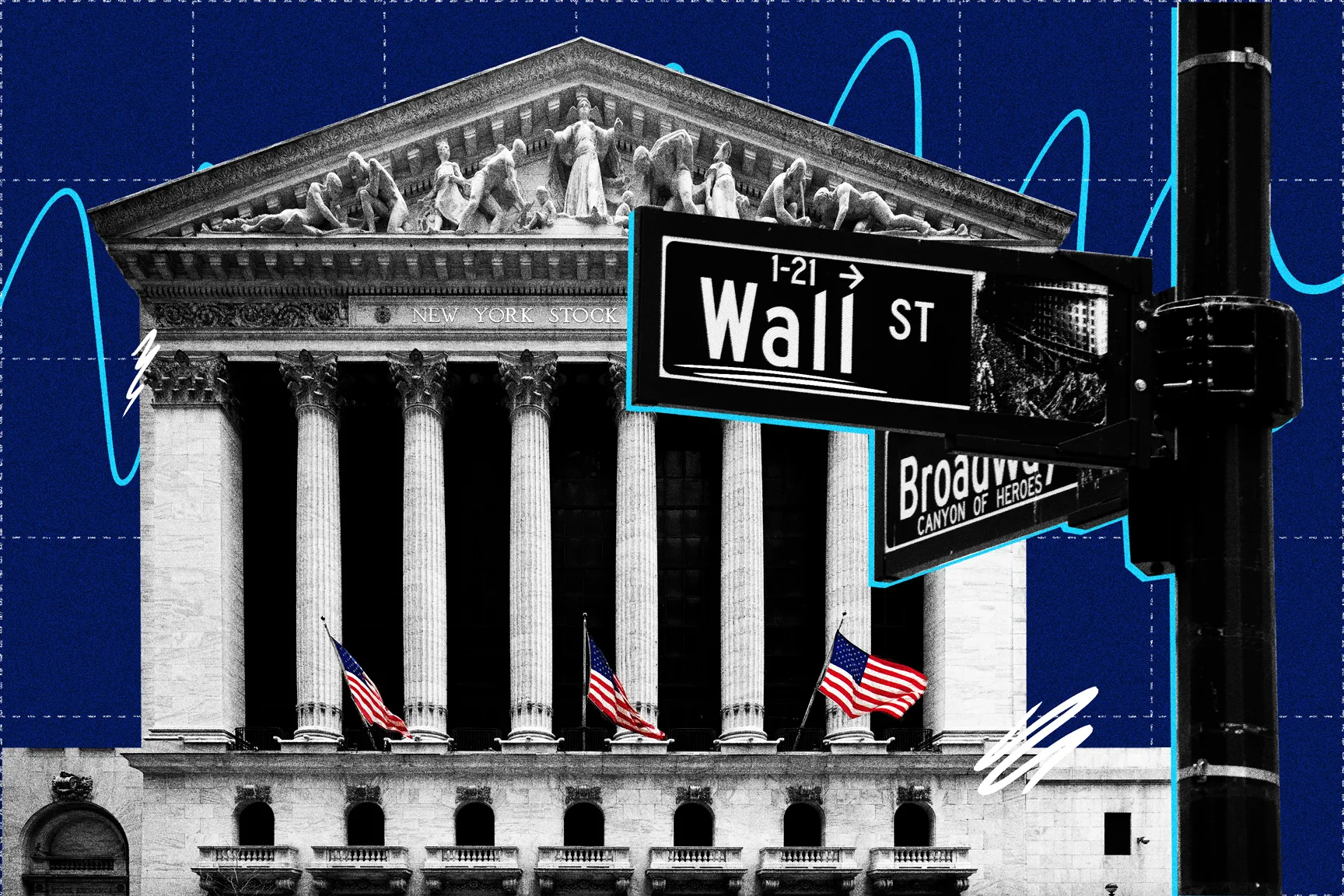
Although the waters are still churning, Wall Street seems to have righted itself after a stormy first half of the year. Perhaps surprisingly, given the lingering uncertainty around the current administration’s trade policies and stubbornly elevated inflation, the fear and volatility that came to a peak around President Donald Trump’s April “Liberation Day” announcement seems to have receded.
Earlier this year, the broad-based S&P 500 came within a whisper of a bear market (a 20% drop from a recent high). It has recovered those losses and then some, and is currently up nearly 8% on a year-to-date basis.
But with the market having gained almost 27% since its low on April 8 through press time, what do analysts believe is in store for the remainder of 2025?

Fewer recessionary fears, more market optimism
J.P. Morgan Private Bank posed the question as the title of a recent analysis, asking “Are ‘Liberation Day’ recession fears a thing of the past?” The short answer is yes, albeit with some caveats, according to senior markets economist Joe Seydl. “Tariffs are no longer a primary driver of market performance,” he wrote.
That optimism is largely reliant on an assumption that Trump’s tariff bark will be worse than his bite. If anything close to the “Liberation Day” numbers that the president displayed on a poster in April come to fruition, corporate America could be facing much tougher math. Seydl argued, though, that this is unlikely given the scale of the American economy. Although it is the “largest tariff shock in 100 years” and could very well slice GDP growth in half, it still wouldn’t be significant enough to drag the economy into recession.
Carson Group chief strategist Ryan Detrick is another market pro who thinks the springtime plunge was a case of the market sentiment needle moving too far towards the negative. This view holds that the spring stock plunge — which saw the S&P 500 shed 18.9% from its then-all-time-high — was so dramatic that it priced in all of the worst-case scenarios that could play out this year.
Now, Detrick’s team predicts that stock valuations will rise between 12% and 15% this year. “Our near-term verdict is that the markets and economy are not meeting their full potential, but we’re still muddling through just fine for now,” his team wrote in a midyear market outlook.
“Muddling through” is far from a ringing endorsement of the economy, but it’s also light-years removed from the dire warnings that were commonplace in the spring. An April survey of roughly four dozen economists put the likelihood of a recession at almost 50%, and at the time, one prominent economics researcher dubbed the fallout from the tariff broadside “Obliteration Day.”
A wait-and-see approach
What accounts for the reversal in sentiment? The biggest reason is that the sky hasn’t fallen. Tariffs haven’t contributed to widespread job losses or a surge in inflation — at least, not yet.
Some market experts argue that’s because it’s too soon to see the damage, given the length and complexity of global supply chains today, but others are raising the possibility that companies might be able to recover from the hit. “Though tariffs are no joke for profit margins, many large companies are finding ways to mitigate the impact,” one Bloomberg opinion columnist observed.
While there are legitimate long-term concerns about the effects of the tax-reform package passed by a GOP-led Congress, the prospect of tax cuts in the short term is buoying enthusiasm on Wall Street.
“Right now, we are not seeing any hard data that points to a path to a recession, and with deficit-financed fiscal stimulus on the way from the ‘Big Beautiful Bill,’ the economy will have a meaningful cushion against a downturn,” Detrick’s team wrote.
Some companies are better positioned to weather any additional disruption that might unfold over the rest of the year. The Carson Group wrote that large-cap companies — especially most of the so-called Magnificent Seven tech stocks — and defensive picks that are less prone to volatility could fare well. Conversely, its analysts note that smaller companies could continue to struggle under the weight of tariff costs and high interest rates, and it is underweight mid- and small-cap stocks.
More broadly, pessimists who point to signs of weakness in GDP and jobs growth aren’t wrong, and the cost of living — especially for big-ticket items like housing — still weighs heavily on many American households. But as long as people and businesses can keep buying stuff, the economy is unlikely to capsize, Detrick argued, writing, “Capitalist forces outside of policy — the small decisions that consumers, businesses and entrepreneurs make every day — may still matter more.”

More from Money:
Tariffs Trigger the Sharpest Drop in Online Spending in Over a Decade
I Almost Panic-Bought a Car to Avoid Trump’s Tariffs. Here’s Why I’m Glad I Didn’t
To Afford a Typical House, Americans Now Need to Earn Six Figures

According to a recent analysis by J.P. Morgan Private Bank, the fear and volatility that peaked in April after President Donald Trump’s “Liberation Day” announcement have since receded. The S&P 500, which came close to a bear market earlier this year, has recovered and is currently up almost 8% for the year. This has led to a more optimistic outlook for the remainder of 2025, with fewer recessionary fears and more market optimism.
Senior markets economist Joe Seydl argues that tariffs are no longer the primary driver of market performance and that the assumption that Trump’s tariff threats will be worse than his actions is likely to hold true. This is due to the scale of the American economy, which Seydl believes is not significant enough to drag the economy into a recession.
Ryan Detrick, chief strategist at Carson Group, also believes that the springtime plunge was an overreaction and that the worst-case scenarios have already been priced in. His team predicts that stock valuations will rise between 12% and 15% this year, and while they acknowledge that the economy is not meeting its full potential, they believe it is still muddling through just fine for now.
This is a far cry from the dire warnings that were prevalent in the spring, when a survey of economists put the likelihood of a recession at almost 50%. However, the sentiment has now shifted to a more wait-and-see approach, with analysts cautiously optimistic about the future of the market.
Source:Read More