
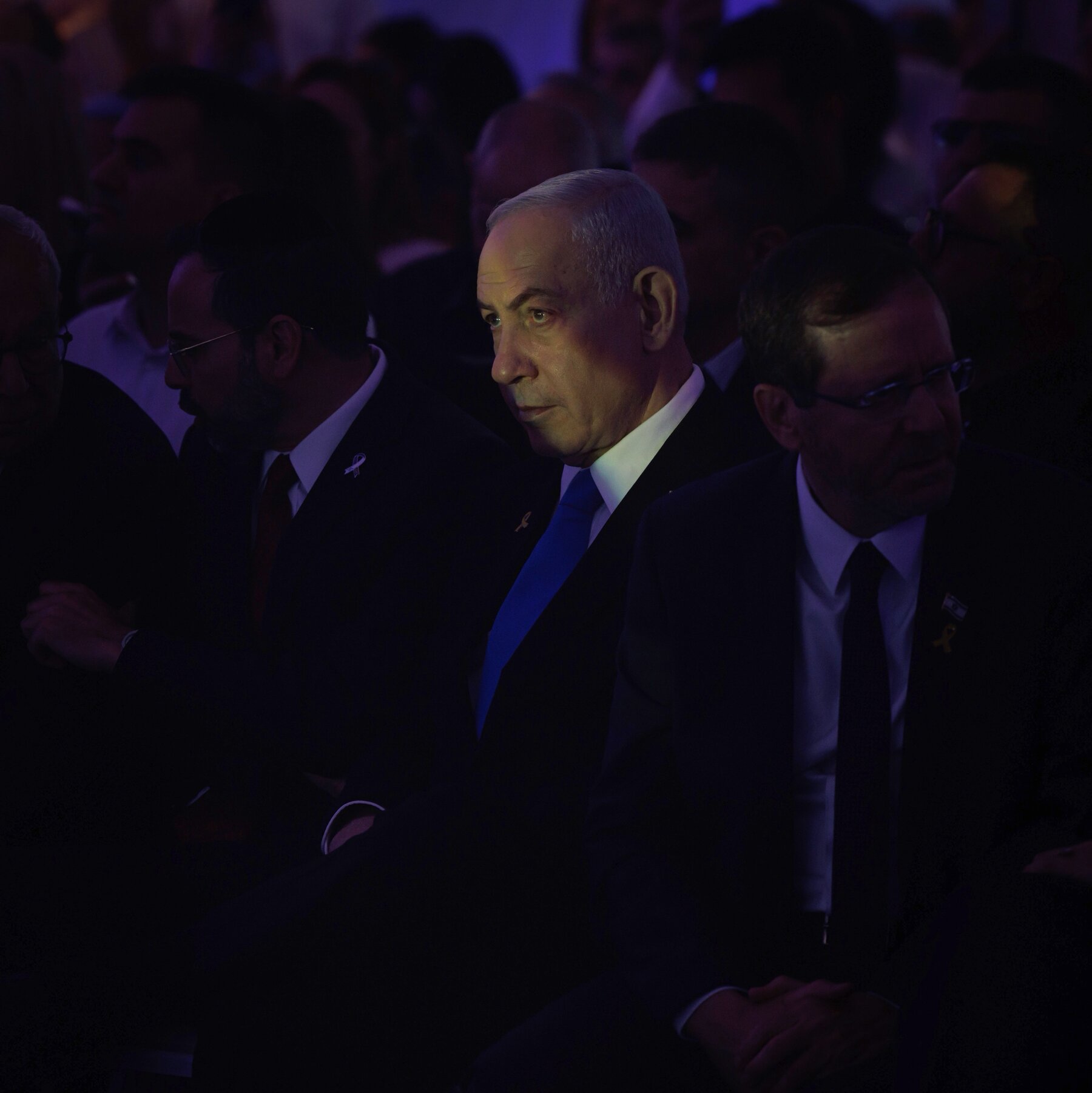
Secret meetings, altered records, ignored intelligence: the inside story of the prime minister’s political calculations since Oct. 7.The New York Times reports that after six months of war in the Gaza Strip, Benjamin Netanyahu was ready to bring it to an end. Negotiations were underway for a cease-fire with Hamas, and Netanyahu was prepared to compromise. He had sent an envoy to convey Israel’s new position to Egyptian mediators, and now he needed to get his cabinet on board. However, he had purposely kept the plan off the meeting’s written agenda in order to prevent resistant ministers from coordinating their response.
This meeting took place in April 2024, long before Netanyahu’s political comeback. The proposed cease-fire would have paused the war for at least six weeks and created an opportunity for negotiations with Hamas for a permanent truce. It also included the release of over 30 hostages captured by Hamas at the start of the war, with the potential for more to be freed if the truce was extended. Additionally, the end of the war would have increased the chances of a historic peace deal with Saudi Arabia, the most powerful country in the Arab world. The Saudi leadership had been secretly signaling their willingness to accelerate peace talks with Israel, but only if the war in Gaza came to an end. This normalization of ties between the two countries would have been a major achievement for Israel and secured Netanyahu’s legacy.
However, agreeing to a truce also came with personal risk for Netanyahu. As prime minister, he led a fragile coalition that relied on the support of far-right ministers who wanted to occupy Gaza and re-establish Jewish settlements there. A quick cease-fire could lead to the collapse of the coalition and early elections, which polls showed Netanyahu would likely lose. This would leave him vulnerable, especially since he had been standing trial for corruption since 2020. The charges, which he denied, were related to granting favors in exchange for gifts and favorable media coverage. Without the power of his position, Netanyahu would lose the ability to influence the attorney general overseeing his prosecution.
As the cabinet discussed other matters, an aide entered the meeting room with a document summarizing Israel’s new negotiating position and placed it in front of Netanyahu. He gave it a final read, ticking off various points with his pen. Despite the potential risks, he seemed ready to move forward. However, his finance minister, Bezalel Smotrich, interrupted the proceedings. Smotrich, who had been detained for weeks as a young activist in 2005, was not convinced and voiced his opposition to the proposed truce.
Source:Read More