
Source: Gordon Thompson
Dollar Tree’s Strategic Expansion Beyond $1 Offering
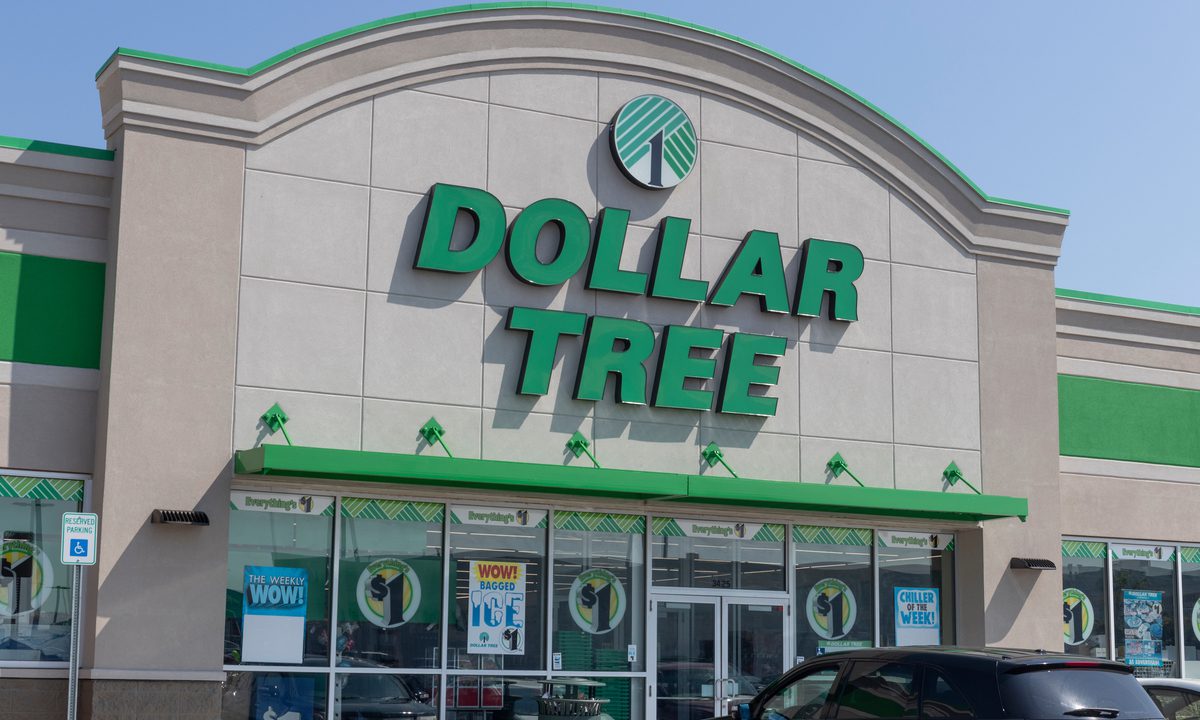
Dollar Tree, a leading discount retail company listed on NASDAQ under the ticker DLTR, is making significant changes to its pricing model. Known for offering a plethora of products at the unbeatable price of just $1, the company is now expanding its product range to include items priced at $3 and $5. This strategic move is aimed at attracting a wider customer base and boosting revenues.
While Dollar Tree’s $1 pricing model has been a cornerstone of its business strategy, it has been increasingly seen as limiting in the face of rising costs and changing customer expectations. The new pricing strategy is expected to not only draw more customers but also provide more flexibility in product offerings, allowing the company to adapt better to market fluctuations.
Jefferies’ Cautious Outlook Despite Increased Price Target
On May 29, 2026, investment firm Jefferies revised its price target for Dollar Tree from $75 to $85. However, this revised price target is still below the stock’s trading price of $116.44 at the time of the announcement. This suggests a cautious outlook on the part of the analyst, despite the price target increase.
The cautious stance might seem surprising given Dollar Tree’s robust financial health and strong performance. However, it might reflect concerns about the impact of the company’s pricing strategy change, potential inflationary pressures, or other market uncertainties.
Dollar Tree’s Robust Financial Health and Performance
Despite the cautious analyst outlook, Dollar Tree has demonstrated impressive financial health and strong performance. The company reported a 3.5% increase in comparable sales, a measure used to assess the performance of established locations by comparing the sales of stores open for at least a year.
This increase in comparable sales was driven by a rise in average transaction size, which grew by 4.5%, offsetting a slight 1% dip in traffic. This suggests that while fewer customers may be visiting the stores, those who do are spending more, boosting the company’s revenues.
Moreover, Dollar Tree’s financial health was further evidenced by a 120 basis point expansion in its gross margin to 36.9%. The gross margin indicates the profit a company makes on the goods it sells, excluding overhead costs.
Strong Earnings and Raised Profit Outlook
In addition to impressive sales and margin numbers, Dollar Tree reported stronger-than-expected earnings. The company announced adjusted earnings per share of $1.74 on revenue of $4.97 billion.
Reflecting confidence in the company’s future performance, management raised its full-year 2026 profit outlook. The company now expects an adjusted earnings per share range of $6.70 to $7.10, up from previous estimates.
Value Creation for Investors
Demonstrating its commitment to shareholder value, Dollar Tree returned $595 million to its investors by repurchasing its own stock. Stock buybacks are a common way for companies to return capital to shareholders, effectively boosting the value of remaining shares by reducing the number of shares in circulation.
In conclusion, despite a cautious outlook from some analysts, Dollar Tree’s robust financials, strong performance, and strategic changes to its pricing model suggest a positive trajectory for the company. As the company continues to adapt and innovate, it remains a significant player in the discount retail sector.