
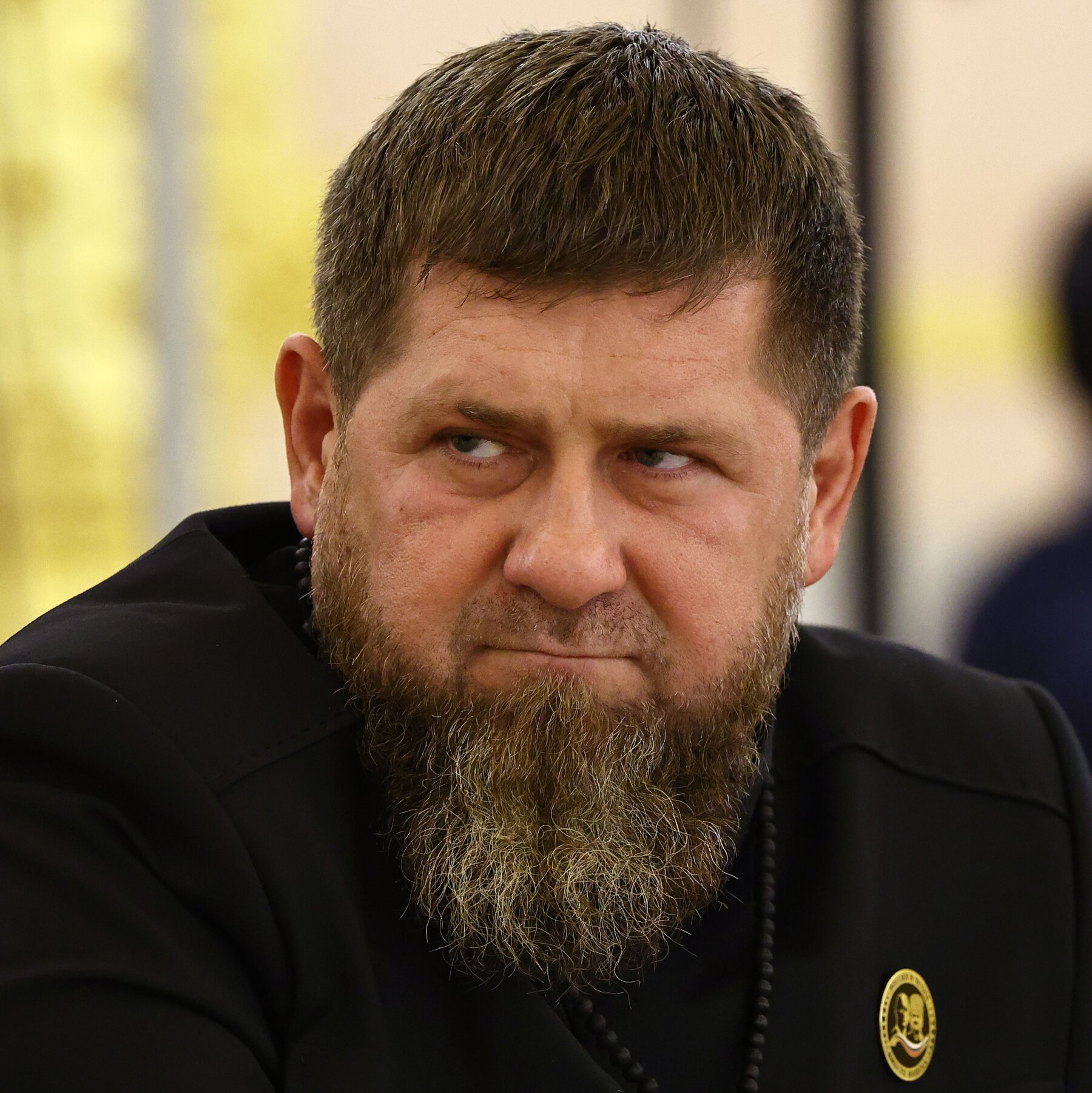
Amid rampant speculation about his health, Ramzan Kadyrov, the Kremlin-allied strongman who rules the region, has been noticeably absent from view, while grooming his teenage son for the future.Amid widespread speculation about his health, Ramzan Kadyrov, the Kremlin-backed leader of Chechnya, has been noticeably absent from public view. While grooming his teenage son for a potential future role, Kadyrov’s absence has raised questions about who will maintain his iron-fisted control over the region.
For the past 20 years, Kadyrov has been a key ally of the Kremlin in Chechnya. In exchange for helping to suppress an independence movement, he has been given free reign to rule the region as his own personal fiefdom. This has allowed him to crush rivals and dissenters, as well as separatists, with brutal force.
However, at 48 years old, Kadyrov appears to be seriously ill, posing a new challenge for Russian President Vladimir Putin in a region that has seen decades of conflict and violence. With Kadyrov’s future uncertain, the question remains: who will be able to maintain the same level of control over the Caucasus region?
Kadyrov’s own succession plan may rest on his 17-year-old son, who recently got married and received congratulations from Putin himself. However, this would require circumventing Russian law, which requires regional leaders to be at least 30 years old. There are also other potential contenders, including a man known for rounding up and brutalizing gay people, and another who fought for Russia in Ukraine.
Over the years, Kadyrov has become a unique figure in Putin’s autocratic regime, enjoying more freedom and resources than other regional leaders. He has his own army and has implemented strict Islamic laws in his predominantly Muslim region, which often contradict Russian laws. He has also pursued his own foreign policy, building ties with Gulf monarchies and taking positions that do not always align with the Kremlin’s.
Chechnya was the only region exempt from Russia’s conscription of about 300,000 men after its 2022 invasion of Ukraine. However, some Chechens were still sent to fight as punishment, according to human rights activists and local residents who spoke to The New York Times. While Kadyrov initially committed some forces to the war, they were soon dubbed “TikTok soldiers” for their lack of actual combat involvement.
The New York Times reports that we are having trouble retrieving the article content. Please enable JavaScript in your browser settings. Thank you for your patience while we verify access. If you are in Reader mode, please exit and log into your Times account, or subscribe for full access.
Thank you for your patience while we verify access. Already a subscriber? Log in. Want full access to The Times? Subscribe.
Source:Read More