
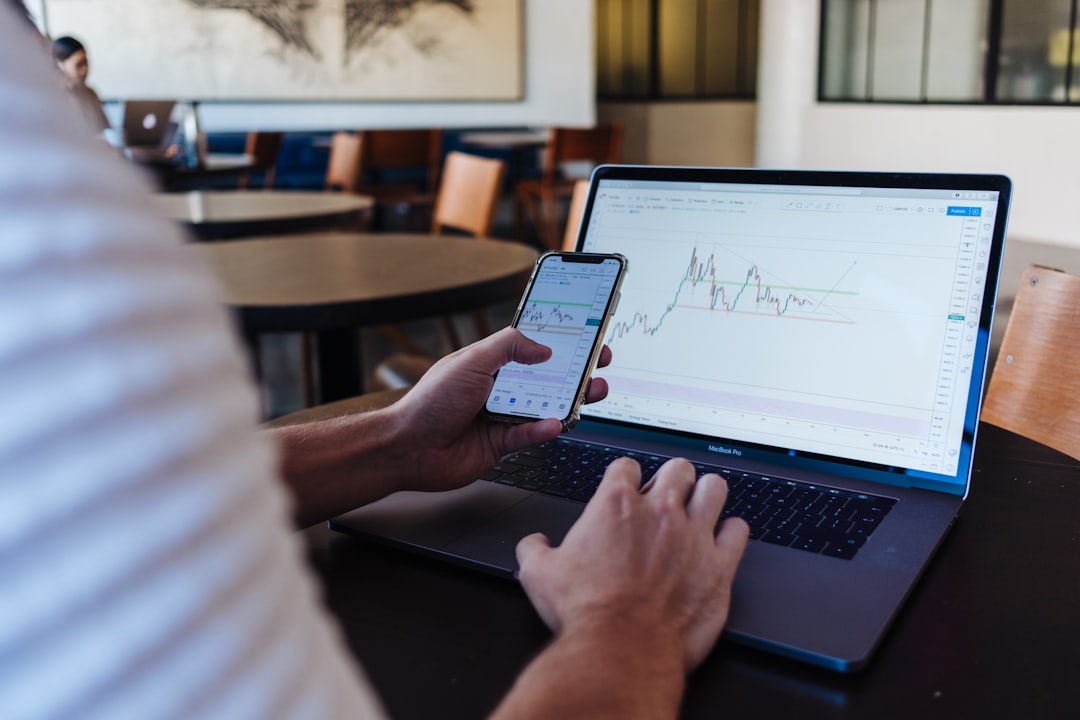
Source: Parth Sanghvi
Introduction
Asian financial markets experienced a positive rally on Tuesday, primarily driven by a significant decrease in U.S.-China trade tensions on Monday. However, Chinese benchmarks did not share the same enthusiastic response as profit-taking and concerns about potential domestic stimulus dampened the market enthusiasm.
Tariff Truce Sparks Regional Rally
Wall Street provided a significant catalyst for the Asian market rally, as U.S. indices surged on Monday. This surge came in response to the U.S. government’s decision to slash tariffs on Chinese goods from 145% to 30%, with Beijing reciprocating by reducing its tariffs on U.S. imports from 125% to 10%. This development, which marks a substantial de-escalation in the ongoing trade war between the two countries, was seen as a positive sign by investors, prompting a surge in market activity.
Asian Outperformance
The tariff truce had a positive impact on several Asian markets, with Japan’s Nikkei 225 experiencing a 1.7% increase and TOPIX rising by 1.2%. Australia’s ASX 200 also saw gains of 0.7%, its highest level since late February, while Singapore’s Straits Times and South Korea’s KOSPI rose by 0.7% and 0.4% respectively. This widespread rise indicates a boost in investor confidence following the tariff cuts, although markets are now looking for a full rollback of tariffs. Any further de-escalation could potentially drive markets even higher.
Chinese Shares Underperform
Despite the positive regional trend, Chinese shares underperformed with the Mainland CSI 300 and Shanghai Composite each rising by just 0.2%. The Hang Seng index even retreated by 1.7% from a one-month peak. The tech firm Xiaomi (HK:1810) led the losses, its shares falling by 4% following backlash over its claims regarding the SU7 Ultra EV.
Analysts have also expressed concerns that the easing trade pressures might lead Beijing to delay additional fiscal stimulus. This could potentially harm the Chinese economy, especially considering the recent weak PMI (Purchasing Managers’ Index) and inflation figures.
U.S. Inflation Data Looms
Asian investors are currently on tenterhooks as they await the release of the U.S. Consumer Price Index (CPI) data due later Tuesday. This data could potentially reshape global risk sentiment, with a higher-than-expected reading possibly dampening hopes for further easing from the Federal Reserve and negatively impacting equity gains. Investors can stay ahead of the schedule and consensus forecasts by tracking key macro releases via the Economics Calendar API.
What to Watch Next
Looking ahead, there are several key areas for investors to watch out for. These include progress on tariff rollback, with detailed roadmaps expected in upcoming U.S.-China working-level talks. Any indications from Beijing around fiscal packages, especially those related to infrastructure or property-market support, will also be closely scrutinized by mainland and Hong Kong stocks.
Moreover, there is the risk of a surprise in the U.S. CPI data, which could trigger profit-taking in growth and export-oriented names across Asia. By combining real-time trade policy updates with precise macro event tracking, investors can navigate the delicate balance between risk-on rallies and macro-driven caution in Asian markets.
Conclusion
In conclusion, the recent de-escalation in U.S.-China trade tensions has had a significant impact on Asian markets, with most experiencing a positive rally. However, Chinese benchmarks lagged, and investors now await U.S. inflation data and further news on trade discussions and domestic fiscal stimulus. As always, staying informed and up-to-date with economic developments is key to navigating the ever-changing financial landscape.