
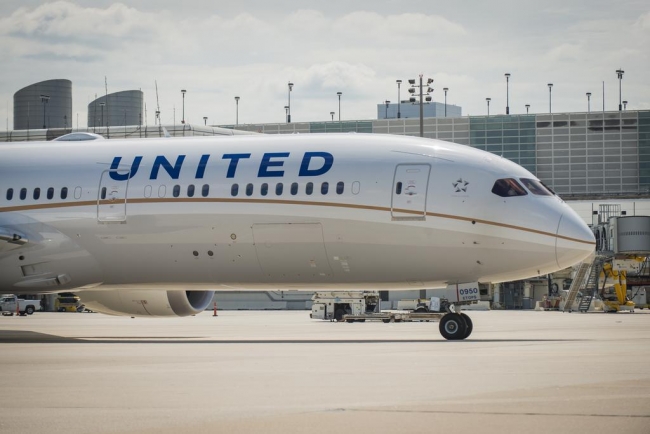
Source: Andrew Wynn
Analyst Consensus on United Airlines Holdings Amidst Market Volatility
United Airlines Holdings, Inc. (NASDAQ:UAL) is a major player in the airline industry, providing air transportation services across the globe. The company, which competes with other industry giants like Delta Air Lines and American Airlines, has recently been the subject of changing analyst sentiments.
The recent analyst consensus set an average price target of $69.50 for United Airlines Holdings, reflecting a conservative outlook amidst market volatility. This conservative outlook comes in the wake of a volatile market environment, highlighted by an 11.4% drop in UAL’s share price. The decline was influenced by market reactions to Delta Air Lines’ earnings report, which also saw Delta’s shares fall by 11.14%. Such industry-wide impacts can affect analysts’ short-term expectations, and this seems to be the case with United Airlines.
Changing Analyst Expectations Over Time
The current average price target for United Airlines Holdings stands in stark contrast to the more optimistic figure from three months ago, which was $102.25. This optimistic view may have been influenced by a 26.1% surge in UAL’s share price during a trading session, driven by above-average trading volume.
However, despite this increase, current earnings estimate revisions do not suggest sustained strength. As noted by analyst Duane Pfennigwerth from Evercore ISI, who has set a price target of $50, the company’s financial outlook is not as strong as previously thought.
Impact of Market Conditions and Financial Performance
The variability in analysts’ price targets over time illuminates the significant impact of market conditions and United Airlines’ financial performance on analyst expectations. A year ago, the average price target for UAL was $84.64, showing variability in analysts’ expectations over time.
As UAL prepares to release its earnings report next week, investors are keenly watching for insights that could influence future price targets. Factors such as United Airlines’ financial performance and broader economic conditions will play crucial roles in shaping these expectations.
The Relevance of Reward Programs in the Airline Industry
In the context of credit card rewards, the Chase Trifecta offers significant value for travelers, including those who frequently fly with United Airlines. The ability to transfer points to partners like UAL enhances their value by 25% through Chase’s portal, making it an attractive option for travel enthusiasts. This aligns with the importance of understanding and leveraging financial tools to maximize benefits, especially in a dynamic market environment.
In conclusion, market volatility and United Airlines’ financial performance significantly influence analysts’ price targets for the company. With the changing price targets, investors should stay attuned to fluctuations in the market and the company’s performance. The importance of leveraging financial tools, such as reward programs, is evident in maximizing benefits in this dynamic market environment. As United Airlines prepares to release its earnings report, all eyes are on the potential impact on future price targets.