
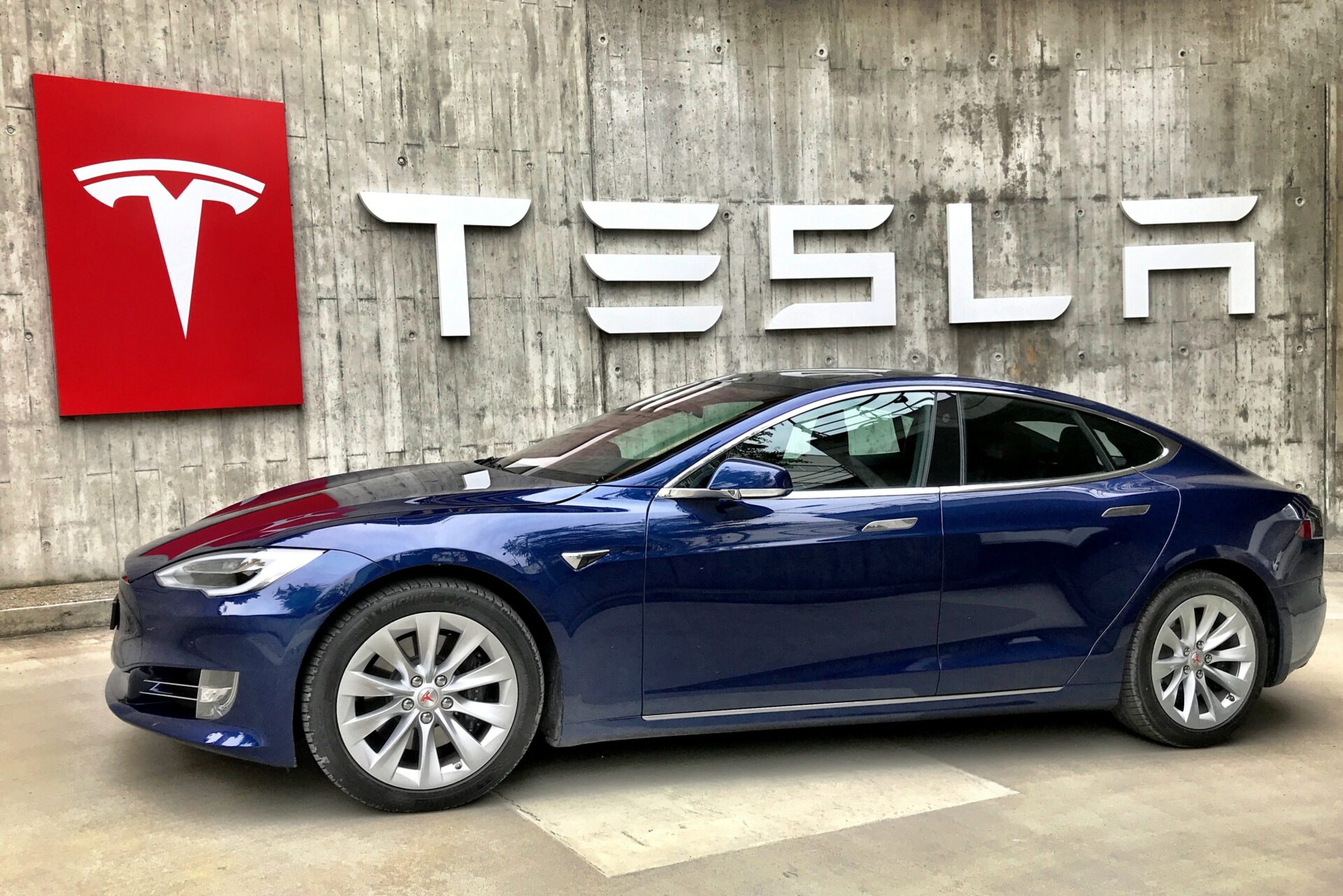
Source: Davit Kirakosyan
UBS Downgrades Tesla’s Price Target Amid Slowing Deliveries
UBS, a leading global financial firm, has downgraded Tesla’s (NASDAQ:TSLA) price target from $259 to $225, a significant drop that signals growing concerns around the electric vehicle (EV) manufacturer’s financial performance. The revised price target, coupled with a maintained Sell rating, is largely due to slowing deliveries and anticipated softer demand for Tesla’s EVs.
The announcement led to a substantial intra-day drop in Tesla’s share value, with the company’s shares plummeting by approximately 8%. This steep decline reflects investors’ concerns and uncertainty about Tesla’s potential to sustain its growth and profitability in the face of these challenges.
Delivery Forecast Adjustments
In addition to the lowered price target, UBS has reevaluated its first-quarter 2025 delivery forecast for Tesla, downgrading the estimate to 367,000 units from the previously projected 437,000. This represents a substantial reduction, which UBS attributes to a weaker current production run-rate than anticipated.
Despite the current slowdown, UBS expects Tesla to ramp up its efforts to increase deliveries as the end of the quarter approaches. This could likely be achieved through heightened promotional activities and strategic marketing initiatives aimed at boosting sales and consumer demand.
Year-Over-Year Decline and Falling Below Consensus
The new forecast from UBS signifies a 5% year-over-year decline in deliveries for Tesla, marking a worrying trend for the EV giant. Furthermore, when compared to the previous quarter, this revised estimate constitutes a steep 26% drop.
Notably, this new estimate also falls 13% below the consensus, suggesting that Tesla’s performance might be under more pressure than previously thought. According to UBS, the relatively short wait times for Tesla’s Model 3 and Model Y—typically within two weeks—in major markets could be indicative of weakening demand, adding to the concerns surrounding Tesla’s future performance.
A Cautious Future Outlook
Given these factors, UBS remains cautious about Tesla’s near-term outlook. The financial firm highlights potential challenges Tesla might face in maintaining its sales momentum without implementing further strategic adjustments. These adjustments could include revising its pricing strategy, ramping up marketing efforts, or introducing new models to reinvigorate consumer interest and demand.
The recent developments underscore the highly competitive and rapidly evolving nature of the EV market, where companies must continually innovate and adapt to maintain their market positions. Tesla, as a pioneer in this industry, is no exception to these pressures.
However, despite the current setbacks, Tesla’s long-term prospects should not be dismissed lightly. The company’s commitment to innovation, its strong brand, and its leadership position in the EV market could enable it to navigate these challenges and potentially bounce back stronger. As such, investors and market watchers should keep a keen eye on how Tesla responds to these developments in the coming months.
In conclusion, while the current market conditions present significant hurdles for Tesla, its ability to adapt and innovate will be crucial in determining its future success in the competitive EV market.