
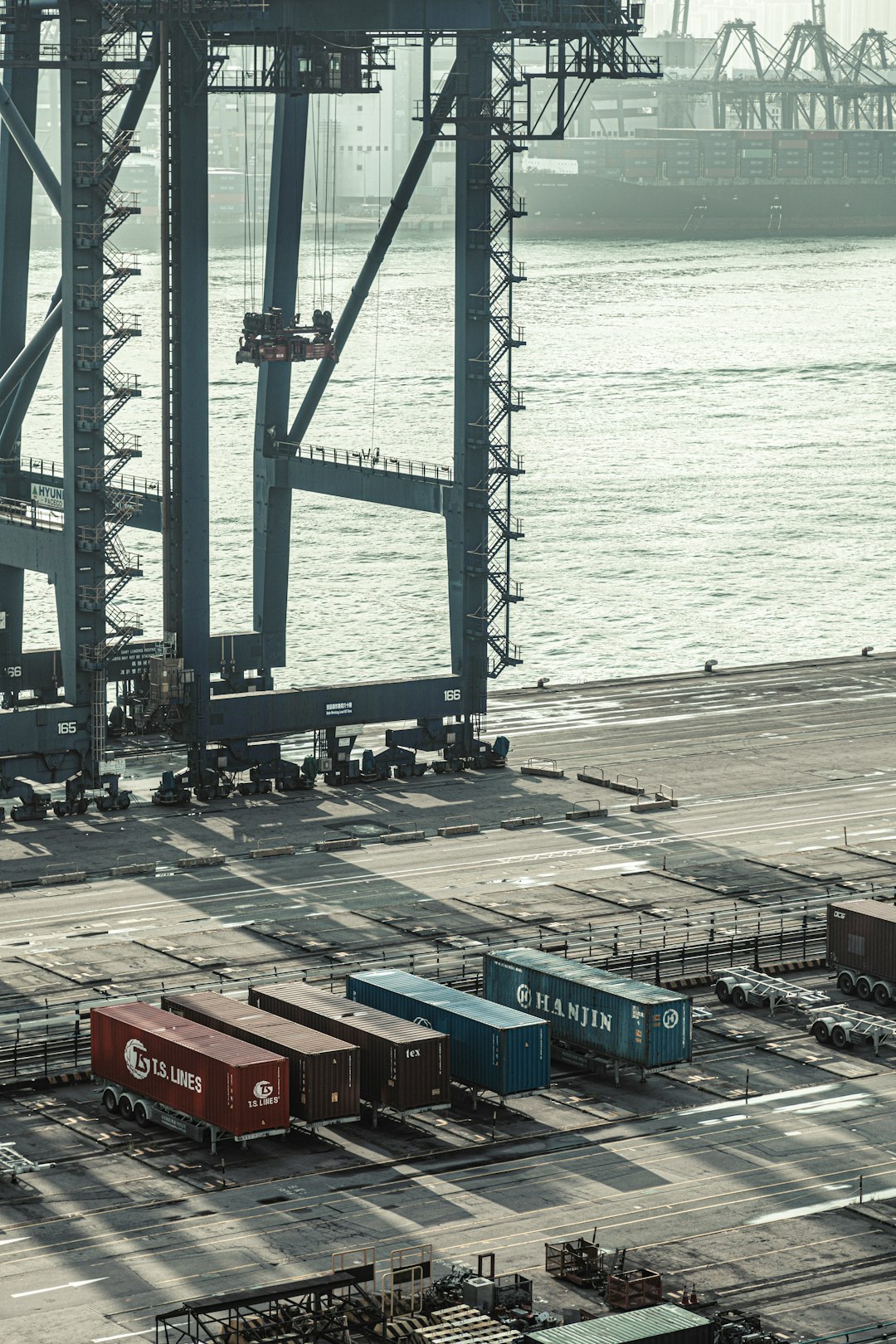
Source: Parth Sanghvi
South Korean Steel Firms Face Pressure Amid US Tariffs
On Monday, shares of leading South Korean steel manufacturers experienced a decline following President Donald Trump’s announcement of his intent to impose a 25% tariff on all U.S. steel and aluminum imports. The affected companies, which include Dongkuk Steel Mill Co Ltd (KS:001230), Hyundai Steel (KS:004020), Tcc Steel (KS:002710), and POSCO (NYSE:PKX) Holdings (KS:005490), saw their shares drop between 1% and 3%. Despite these industry-specific losses, the broader South Korean stock market, KOSPI, experienced a modest rise of 0.2%.
Understanding South Korea’s Role in U.S. Steel Imports
South Korea is currently the fourth-largest steel exporter to the U.S., trailing behind Mexico, Brazil, and Canada. According to data released by the International Trade Administration, South Korea has exported approximately 2.5 million tons of steel to the U.S. over the past 11 months. This volume of trade has significant implications for both the South Korean and U.S. economies.
President Trump’s decision to impose tariffs on steel and aluminum imports is part of a broader strategy aimed at promoting what he terms “fairer trade practices.” This policy shift is intended to provide a boost to the domestic steel industry in the U.S., which has been on a downward trend since the 1980s due to the influx of cheaper imports from countries like China and Japan.
Impact of Tariffs on U.S. Steel Demand and Global Steel Market
The proposed tariffs will be absorbed by U.S. importers, resulting in an effective increase in the cost of imported steel. This could potentially weaken demand for imported steel within the U.S. However, the ripple effect on the global steel market hinges on the response of South Korea, along with other major steel exporters, to these new trade measures.
These new tariffs could trigger a shift in global steel supply chains, as exporters look for new markets and domestic U.S. producers ramp up capacity to meet domestic demand. The uncertainty surrounding these potential changes could introduce new volatility into global steel prices.
Steel Stocks and Currency Trends Amid Tariff Announcements
While the shares of South Korean steel firms were under pressure following the tariff announcement, the strength of the U.S. dollar curtailed further losses. Expectations that Trump’s tariffs could push U.S. inflation higher, thereby preserving elevated interest rates, resulted in a sharp uptick in the value of the U.S. dollar.
From an investor’s perspective, tracking sector P/E ratios and historical sector performance can offer valuable insights into how the steel sector’s valuations are shifting in the midst of these global trade tensions. Moreover, sustained strength in the U.S. dollar could offset some of the negative margin impacts of the higher tariffs, particularly for South Korean steelmakers that rely heavily on exports.
As the situation develops, investors will be closely monitoring the responses of both U.S. and South Korean policymakers, along with the broader reaction from the global steel market. The unfolding events could present both challenges and opportunities for investors in the steel sector, emphasizing the importance of staying informed and adaptable in the face of changing market conditions.