
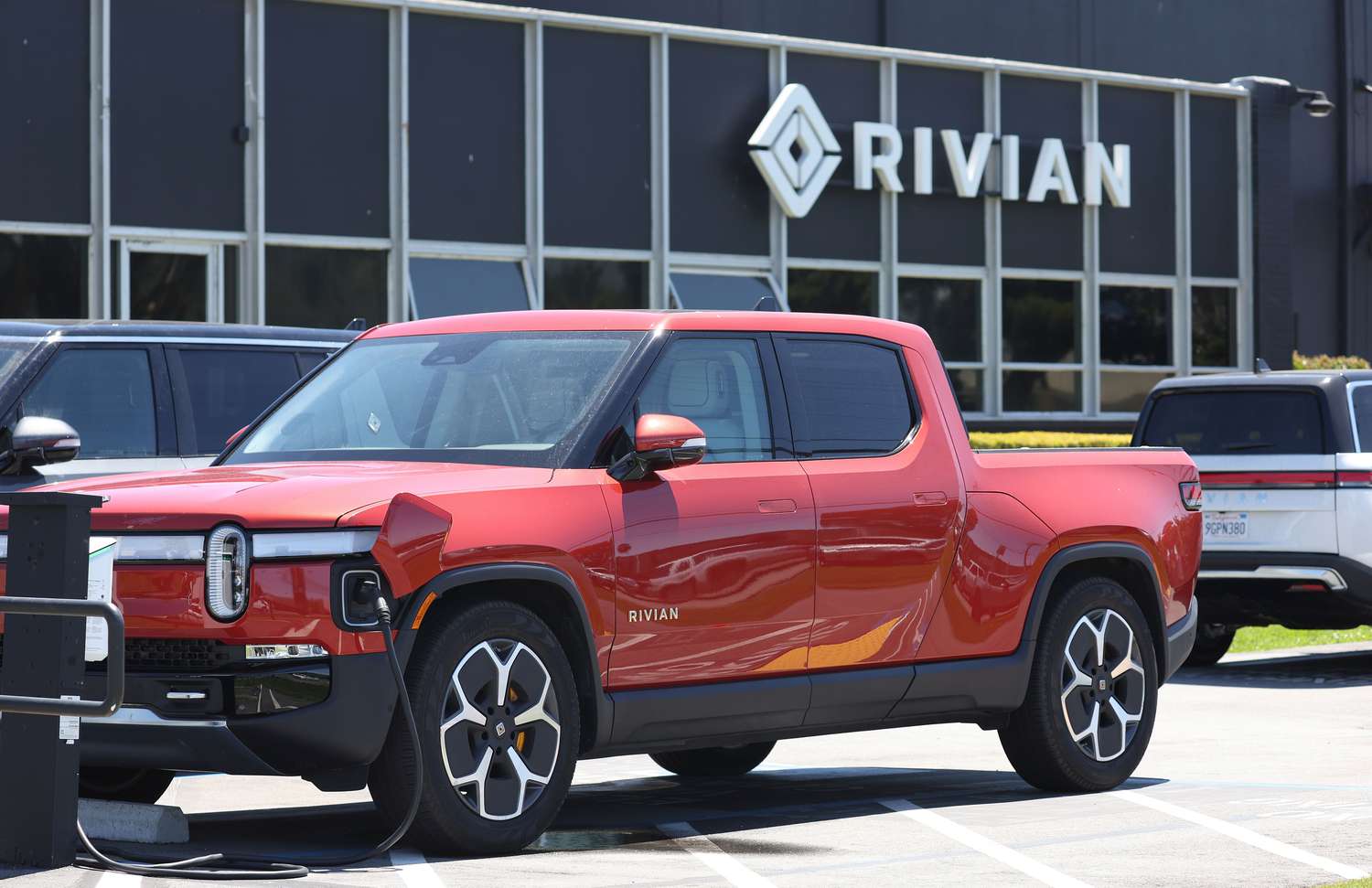
Source: Davit Kirakosyan
Rivian Automotive Shares Take a Plunge
On Friday, shares of Rivian Automotive (NASDAQ:RIVN), the American electric vehicle (EV) manufacturer, tumbled over 3%. The company has been compelled to slash its full-year production forecast due to a significant disruption caused by a shortage of a crucial component required for its R1 and RCV platforms. This update has unfortunately sent ripples through the stock market, causing a sizable dip in the company’s share value.
Production Forecast Undergoes a Major Downgrade
The EV maker has significantly downgraded its production outlook for the year. It now expects to manufacture between 47,000 and 49,000 vehicles, a stark drop from its previous target of 57,000. This revision comes as a supply chain issue, which has been escalating over the past few weeks, has dealt a severe blow to the company’s production capabilities.
Despite the challenges, Rivian has managed to manufacture 13,157 vehicles and deliver 10,018 in the third quarter. This showcases the company’s resilience and ability to navigate through supply chain difficulties, but the stark drop in the production forecast underscores the severity of the ongoing component shortage.
Rivian’s Delivery Outlook
Despite these hurdles, Rivian remains cautiously optimistic about its delivery outlook. The company maintains its expectation for a slight increase over last year, projecting a delivery range of 50,500 to 52,000 vehicles. However, the updated guidance indicates that the company is on track to produce fewer vehicles this year compared to 2023, highlighting the impact of supply chain disruptions on Rivian’s production capabilities.
Broader Challenges for the Electric Vehicle Industry
Rivian’s production setback comes amid a broader backdrop of challenges for the electric vehicle industry. Rising interest rates and inflation are pushing consumers towards more cost-effective alternatives. The escalating cost of owning an EV, coupled with the economic uncertainty brought on by these macroeconomic factors, has dampened demand. This has led some potential buyers to opt for cheaper, conventional vehicles in the current market climate.
The electric vehicle industry has been grappling with rising costs, driven by higher raw material prices and supply chain disruptions. This has led to an increase in the overall cost of EV ownership, which is pushing potential buyers towards more cost-effective, conventional vehicle alternatives.
Market Climate and Consumer Behavior
The current market climate, marked by economic uncertainty and inflation, is influencing consumer behavior. Potential EV buyers are now weighing the benefits of electric vehicles against their cost. With many consumers feeling the pinch of inflation and economic uncertainty, the appeal of cheaper, conventional vehicles is growing.
While electric vehicles offer long-term cost savings through reduced fuel and maintenance costs, the upfront cost can be prohibitive for many consumers, especially in a strained economic environment. This shift in consumer behavior is a significant headwind for electric vehicle manufacturers like Rivian, who must now navigate a challenging market landscape.
Conclusion
Rivian’s recent share drop and production forecast downgrade highlight the difficulties facing the electric vehicle industry. Amid rising costs and supply chain disruptions, companies like Rivian are challenged to maintain production while keeping their vehicles affordable for the average buyer. As the industry navigates these challenges, the resilience and adaptability of electric vehicle manufacturers will be put to the test.