
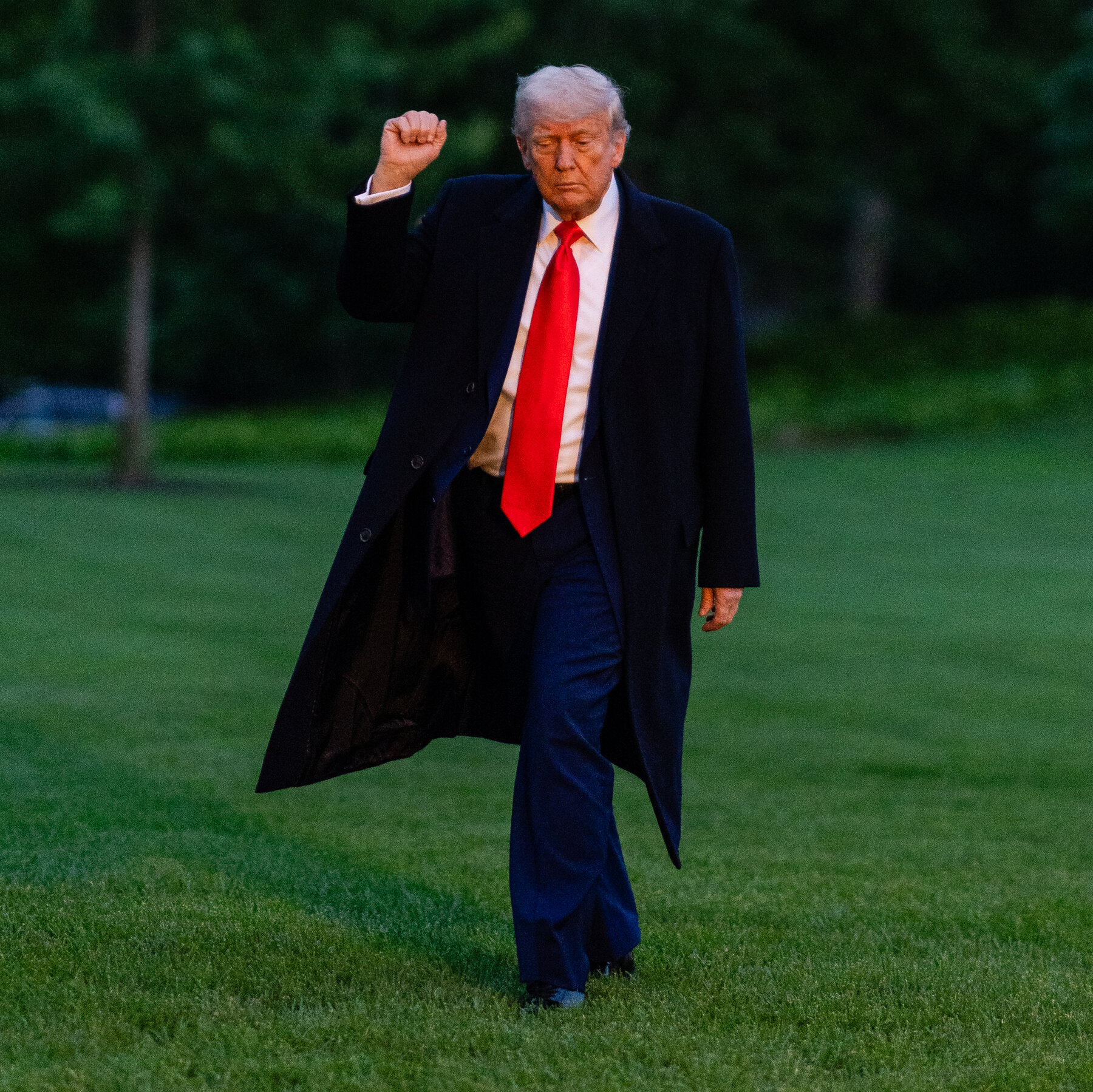
The president’s economic policy approach is so far rattling markets, businesses and consumers.The New York Times reports that just one day after House Republicans passed a costly tax cut package that caused turmoil in financial markets, President Trump shifted his focus back to his other major policy priority by announcing a series of tariff threats. This move further unsettled investors and raised concerns about potential price increases for American consumers.
Despite positioning himself as a savvy economic leader, the president’s decision to escalate his global trade war on Friday seemed puzzling and potentially damaging. It marked the end of a week in which Mr. Trump disregarded repeated warnings about the negative effects of his agenda, including increasing the nation’s debt, harming his own supporters, and hurting low-income families. Additionally, experts have cast doubt on the White House’s claims that these policies will lead to significant economic growth.
Despite the lukewarm response from the markets, Mr. Trump remained steadfast in his approach, choosing to revive the uncertainty that has been plaguing businesses and consumers. He threatened to impose 50 percent tariffs on the European Union and a 25 percent tariff on Apple, with the possibility of other tech companies facing the same rate.
Since taking office, the president has been determined to implement his economic vision, which includes generous tax cuts and widespread deregulation. He has also used steep tariffs as a means to raise revenue, promote domestic manufacturing, and improve trade relationships. However, in order for these policies to be successful, Mr. Trump will need to prove skeptics wrong, particularly those who lend money to the government by purchasing its debt.
So far, bond markets are not convinced by the president’s approach. While Mr. Trump sees a “golden age” of economic growth, investors see an agenda that will result in more debt, higher borrowing costs, inflation, and a potential economic slowdown. This has led to a shift in how investors view government debt, with many now demanding higher returns for lending money to the United States.
Source:Read More