
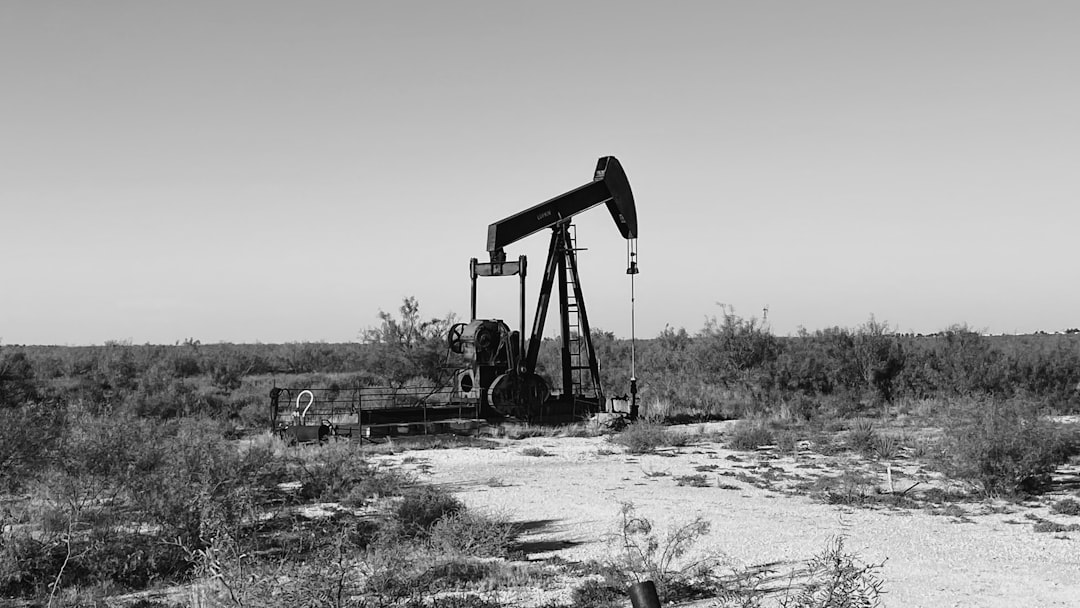
Source: Parth Sanghvi
U.S. Oil Prices Slide Amidst Trade War Uncertainties
U.S. oil prices experienced a 1% drop on Wednesday, driven by the ongoing uncertainties surrounding U.S. tariff policies and escalating tensions in the U.S.-China trade war. Market watchers are paying close attention to these geopolitical tensions, noting their potential to slow economic growth and subsequently dampen the demand for energy in the future.
Current Price Movements
Two significant market benchmarks were impacted by the decline:
Brent Crude Futures: This global benchmark for oil prices fell by 66 cents, a 1.0% drop, settling at $64.01 per barrel as of 06:30 GMT.
U.S. West Texas Intermediate (WTI): This U.S. oil benchmark dropped by 69 cents, a 1.1% decrease, to land at $60.64 per barrel.
These marked drops follow modest declines of 0.3% for both benchmarks on Tuesday, indicating a continuing trend of falling oil prices.
Trade War and Tariff Impacts
The ongoing trade war, characterized by the recent tariff adjustments initiated by U.S. President Donald Trump and the subsequent retaliatory measures, has significantly contributed to market uncertainty. The higher tariffs have raised concerns about:
Slower global economic growth: The International Energy Agency (IEA) has revised its forecast, now expecting global oil demand to grow at its slowest rate in five years due to the adverse impacts of these tariffs.
Diminished U.S. production gains: The current policies pose significant challenges for producers, leading to the anticipation that production increases are likely to taper off.
These policy moves fit into the broader narrative that ongoing U.S.-China trade tensions could potentially stifle economic momentum, affecting energy consumption on a global scale.
Mixed Signals from the Energy Sector
Market strategist Yeap Jun Rong of IG noted the current market sentiment, stating that “Investors continue to struggle in finding a catalyst to drive a more meaningful rebound.” This indicates that the initial optimism around tariff rollbacks may be fading. Moreover, recent revisions in global oil demand forecasts are leaning more towards the bearish side:
The IEA now projects that world oil demand for this year will increase by only 730,000 barrels per day, a significant drop from the previous expectation of 1.03 million bpd.
As the trade war intensifies and tariffs and retaliatory actions continue, several banks including UBS, BNP Paribas, and HSBC have already cut their crude price forecasts.
Adding to the bearish sentiment, Imad Al-Khayyat from the London Stock Exchange Group emphasized that each week without easing trade tensions could push global recession risks higher and lower the oil price ceiling.
For Investors and Analysts
To stay updated on this evolving situation, consider using:
The Commodities API to track real-time price changes in Brent and WTI, ensuring you are equipped with accurate market data.
The Economics Calendar API to monitor upcoming economic releases and policy announcements that could influence global energy demand and, in turn, oil prices.
These tools can provide invaluable insights for navigating the uncertain landscape of the energy market.
Conclusion
The current decline in oil prices reflects the market’s concerns over the escalating trade tensions and the evolving U.S. tariff policies. With forecasts indicating the slowest growth in global oil demand in years, investors are bracing for continued volatility and uncertainty. As the landscape evolves, having access to timely commodity data and economic indicators will be crucial for navigating the challenges of the energy market. The ongoing U.S.-China trade war underscores the interconnectedness of global economies and the far-reaching impacts of geopolitical tensions on various sectors, including energy.