
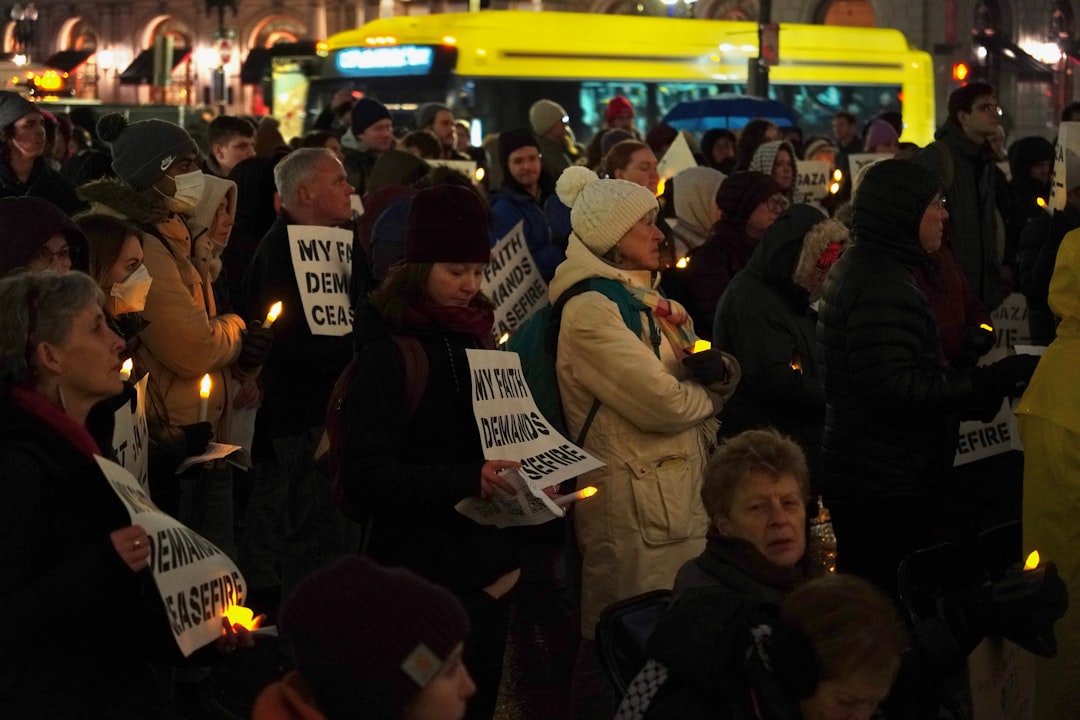
Source: Parth Sanghvi
Long-Awaited Israel-Hamas Ceasefire Begins Amidst Delay and Disagreements
A long-awaited ceasefire between Israel and Hamas in the Gaza Strip was finally implemented on Sunday, marking a pause in a conflict that has left an indelible mark on the political and humanitarian landscape of the Middle East. The truce came into effect after a delay of nearly three hours, indicating the complexities involved in mediating such a high-stakes conflict.
Initial Delay and the Role of Hostage Exchange
The ceasefire was initially scheduled to start at 0630 GMT, however, it was delayed until 0915 GMT. The delay was attributed to disagreements over the exchange of hostages, a critical element in peace agreements. Israel accused Hamas of failing to provide a list of hostages, while Hamas cited “technical” reasons for the delay.
The importance of the hostage exchange in this ceasefire negotiation cannot be understated. The exchange of hostages has often served as a confidence-building measure in conflict resolution, showcasing the willingness of the involved parties to work towards a peaceful resolution. However, the disagreement over the details of this exchange underscored the deep-seated mistrust between Israel and Hamas.
Fatalities Preceding the Ceasefire
Regrettably, during the delay, the conflict continued unabated with Israeli airstrikes and artillery attacks led to the death of 13 Palestinians, as reported by Gaza medics. This unfortunate incident underlines the urgency of implementing and maintaining the ceasefire agreement to prevent further loss of life and escalation of the conflict.
Details of the Hostage Exchange
As part of the ceasefire agreement, Hamas named the first hostages for the exchange. Among them were Romi Gonen, Doron Steinbrecher, and Emily Damari. However, Israel has not immediately confirmed the names.
In the midst of these negotiations, a Palestinian official disclosed that mediators had requested 48 hours of calm before the ceasefire. This request was intended to create a conducive environment for the successful implementation of the ceasefire. However, ongoing strikes hindered progress, making it evident that achieving sustainable peace in the region is a challenging task.
The Broader Context of the Israel-Hamas Conflict
The ceasefire comes in the backdrop of a war that began on October 7, 2023, following a Hamas-led attack that killed approximately 1,200 people in Israel. This attack marked the most intense escalation in years between the two sides, further complicating the already strained Israel-Hamas relations.
The conflict between Israel and Hamas is deeply rooted in their historical, political, and territorial disputes. The recent flare-up of the conflict has not only led to significant loss of life but has also exacerbated the humanitarian crisis in the Gaza strip. The ceasefire, despite its initial delay, is a welcome step towards de-escalating the conflict and paving the way for a potential long-term resolution.
In conclusion, the implementation of the ceasefire between Israel and Hamas is a critical development in the Middle East. While the initial delay and disagreements over the hostage exchange have underscored the complexities involved, the ceasefire agreement is a crucial step towards de-escalating the ongoing conflict. It is now essential for both sides to adhere to the ceasefire agreement to prevent further casualties and move closer towards a sustainable peace in the region.