
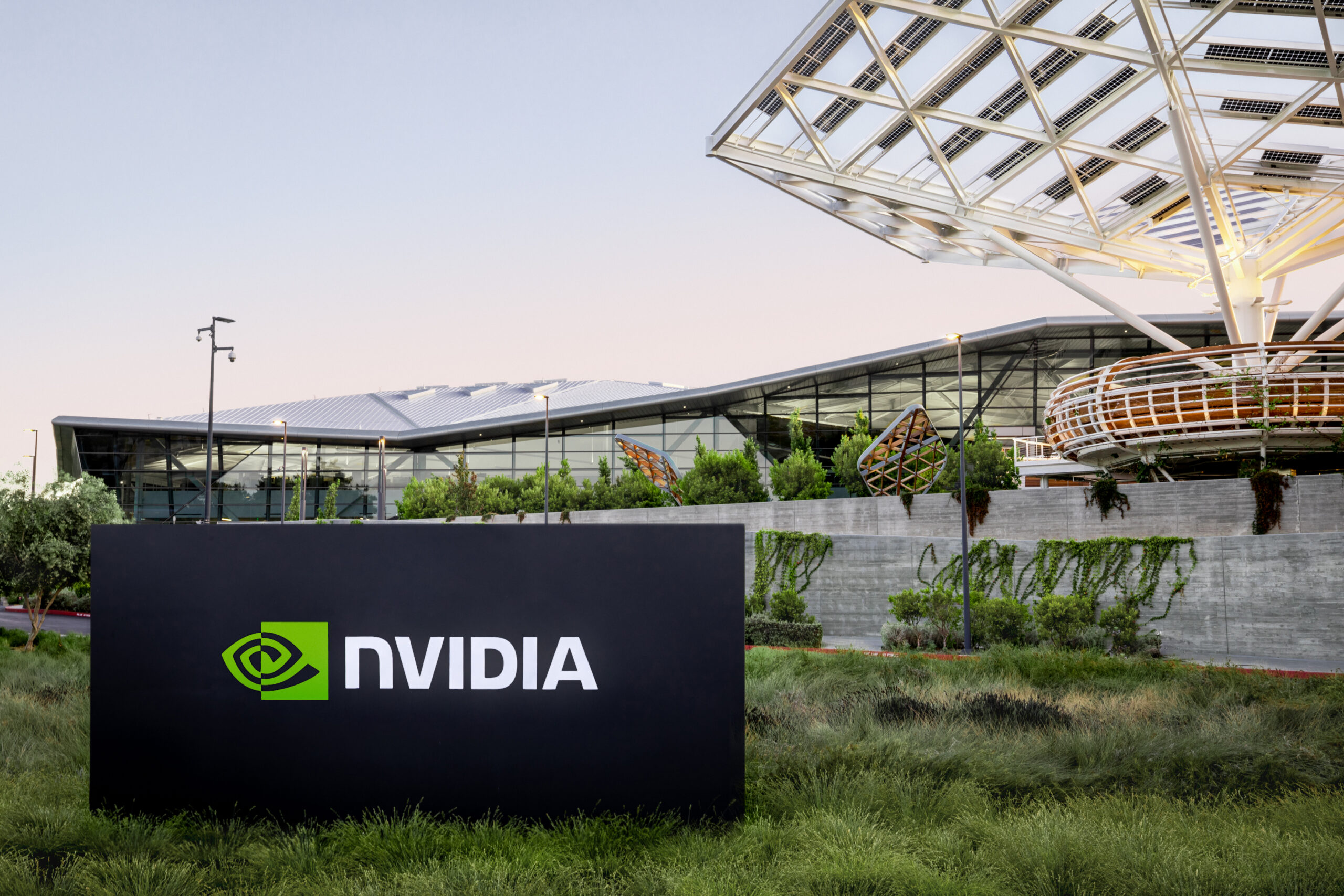
Source: Davit Kirakosyan
NVIDIA’s Downgrade: The Implications and Insights
The popular multinational technology company, NVIDIA (NASDAQ:NVDA), recently experienced a downgrade in its rating from Buy to Hold by HSBC analysts. This downgrade also accompanied a reduction in the price target from $175 to $120. This decision was influenced by concerns about the slowing momentum in the GPU (Graphics Processing Unit) market’s pricing. This news might come as a surprise to many, especially considering NVIDIA’s previous strong performance, but a detailed analysis provides a clearer understanding of the situation.
NVIDIA’s Past Performance and HSBC’s Initial Bullish Stance
In April 2023, HSBC turned positively bullish on NVIDIA, primarily due to the company’s dominant position in the AI (Artificial Intelligence) chips market. The analysts believed that NVIDIA’s ability to command premium prices was underestimated. This thesis seemed to hold up well for nearly two years, as NVIDIA enjoyed a significant surge thanks to robust demand for AI-related hardware.
However, the narrative appears to be shifting recently, causing HSBC to reconsider their previous bullish stance. The reason lies in the absence of a significant increase in the average selling prices (ASP) of NVIDIA’s products.
The Plateauing of NVIDIA’s Pricing Advantage
HSBC’s note indicates no meaningful increase in the ASP between NVIDIA’s new-generation B200 and B300 GPUs. The same trend is seen between the GB200 and GB300 NVL72 rack architectures. This suggests that NVIDIA’s once potent pricing advantage may now be reaching a plateau. This is a significant concern for investors, as it points to the possibility of a slow down in revenue growth.
In addition to the pricing challenges, the analysts also highlighted an issue with NVIDIA’s forthcoming Vera Rubin platform. This platform does not deliver any notable performance improvements in terms of GPU density, maintaining a count of 72 GPUs per rack. This number has remained unchanged since the Blackwell generation. The analysts predict that a substantial leap in specifications may not be seen until the Rubin Ultra release in 2027. This could potentially limit near-term growth catalysts.
HSBC’s Downgrade and Lower Valuation Outlook Explained
With fading pricing tailwinds and product specifications leveling off, HSBC now believes that NVIDIA’s earnings upside may be capped. This prompted the recent downgrade and lower valuation outlook. The downgrade does not necessarily mean that NVIDIA is in trouble, but it suggests that investors might have to temper their expectations for the company’s growth in the short term.
The GPU market is highly competitive, and NVIDIA’s ability to command premium prices was a significant edge. If this pricing power is indeed plateauing, it could impact NVIDIA’s profit margins and slow down its earnings growth. Furthermore, the lack of substantial improvements in the forthcoming Vera Rubin platform could also limit NVIDIA’s growth potential in the near term.
It’s worth noting that NVIDIA remains a dominant player in the AI chips market and continues to have a strong presence in the GPU market. However, these recent developments suggest that the company may face some headwinds in the short term. Investors and market watchers will need to keep a close eye on NVIDIA’s pricing strategy and product development to gauge the company’s future performance accurately.