
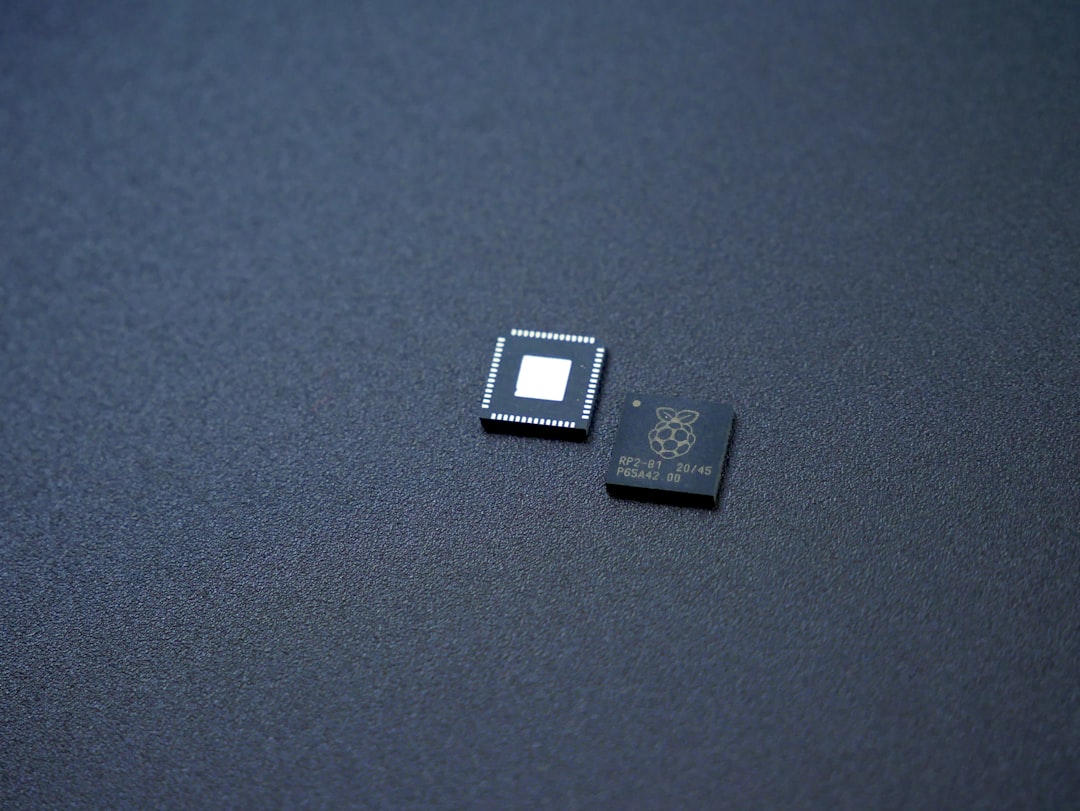
Source: Parth Sanghvi
Implications of Artificial Intelligence on the Semiconductor Industry
The AI semiconductor ecosystem stands as a beacon of technological innovation, driven by the burgeoning demand for artificial intelligence applications across various sectors. The emergence and growth of AI, machine learning, and deep learning technologies are necessitating semiconductor companies to continuously innovate to cater to the evolving computational needs. The increasing reliance on AI hardware, coupled with the ongoing semiconductor shortage, presents both opportunities and challenges for the industry.
Current State of the AI Semiconductor Market
The AI semiconductor market is experiencing a surge in demand as AI, machine learning, and deep learning proliferate across sectors. This is particularly evident in the increasing demand for AI hardware.
Increasing Demand for AI Hardware
AI chips, specifically Graphics Processing Units (GPUs), Application-Specific Integrated Circuits (ASICs), and Field-Programmable Gate Arrays (FPGAs), are witnessing a significant surge in demand. These chips carry the vital responsibility of bearing the hefty computational requirements needed for AI tasks, including natural language processing, image recognition, and data analysis.
Notably, tech giants like NVIDIA, AMD, and Intel continue to control the AI semiconductor market. NVIDIA, in particular, is leading the GPU market, which is critical for AI workloads. The dominance of these corporations underlines the importance of AI hardware in the evolving tech landscape.
Rise of AI-Specific Chips
Beyond traditional GPUs, semiconductor companies are now venturing into the development of AI-specific chips designed to cater to highly specialized tasks. Google’s Tensor Processing Unit (TPU) and Tesla’s custom AI chips are prime examples of this trend. These bespoke hardware solutions are optimized for their unique AI systems, highlighting a shift towards more specialized semiconductor solutions to meet the dynamic needs of AI applications.
Challenges Facing the AI Semiconductor Industry
Despite the promising growth trajectory, the AI semiconductor industry faces several challenges.
Supply Chain Constraints
The ongoing global semiconductor shortage poses significant hurdles for manufacturers. The demand for AI chips often outstrips supply, leading to production bottlenecks. This has compelled companies to reassess their supply chains and invest in expanding their manufacturing capacity to meet the growing demand for AI chips.
Geopolitical Risks
The semiconductor ecosystem also faces potential risks from geopolitical tensions, particularly between the U.S. and China. With increasing restrictions on semiconductor technology exports, companies are re-evaluating their supply chains to lessen dependency on foreign manufacturing hubs. This geopolitical landscape presents a significant challenge for the global distribution and production of AI semiconductors.
Future Trends in the AI Semiconductor Ecosystem
The AI semiconductor market will continue to evolve, driven by emerging trends and technological advancements.
Expansion of AI in Data Centers
AI integration into data centers is rapidly growing, which necessitates powerful chips to manage workloads. The burgeoning reliance on cloud computing, paired with AI-driven applications, will further fuel the need for high-performance semiconductor solutions.
AI at the Edge
Edge computing is emerging as a key growth area for AI semiconductors. Chips optimized for AI at the edge, such as those in IoT devices, smart cameras, and autonomous vehicles, will play an increasingly important role. These chips allow for quicker decision-making by processing data locally, reducing reliance on cloud infrastructure.
Increased Competition and Innovation
The intensifying demand for AI chips is expected to drive further competition and innovation in chip design and efficiency. Companies are likely to invest heavily in research and development, seeking breakthroughs in chip architectures and materials that can reduce power consumption and increase performance.
Conclusion
In conclusion, the AI semiconductor ecosystem is poised for significant growth as AI applications continue to permeate across industries. However, supply chain challenges and geopolitical risks remain key obstacles. As companies strive to meet the surging demand for AI-specific hardware, innovation in chip design and manufacturing processes will be vital in shaping the future of the ecosystem.