
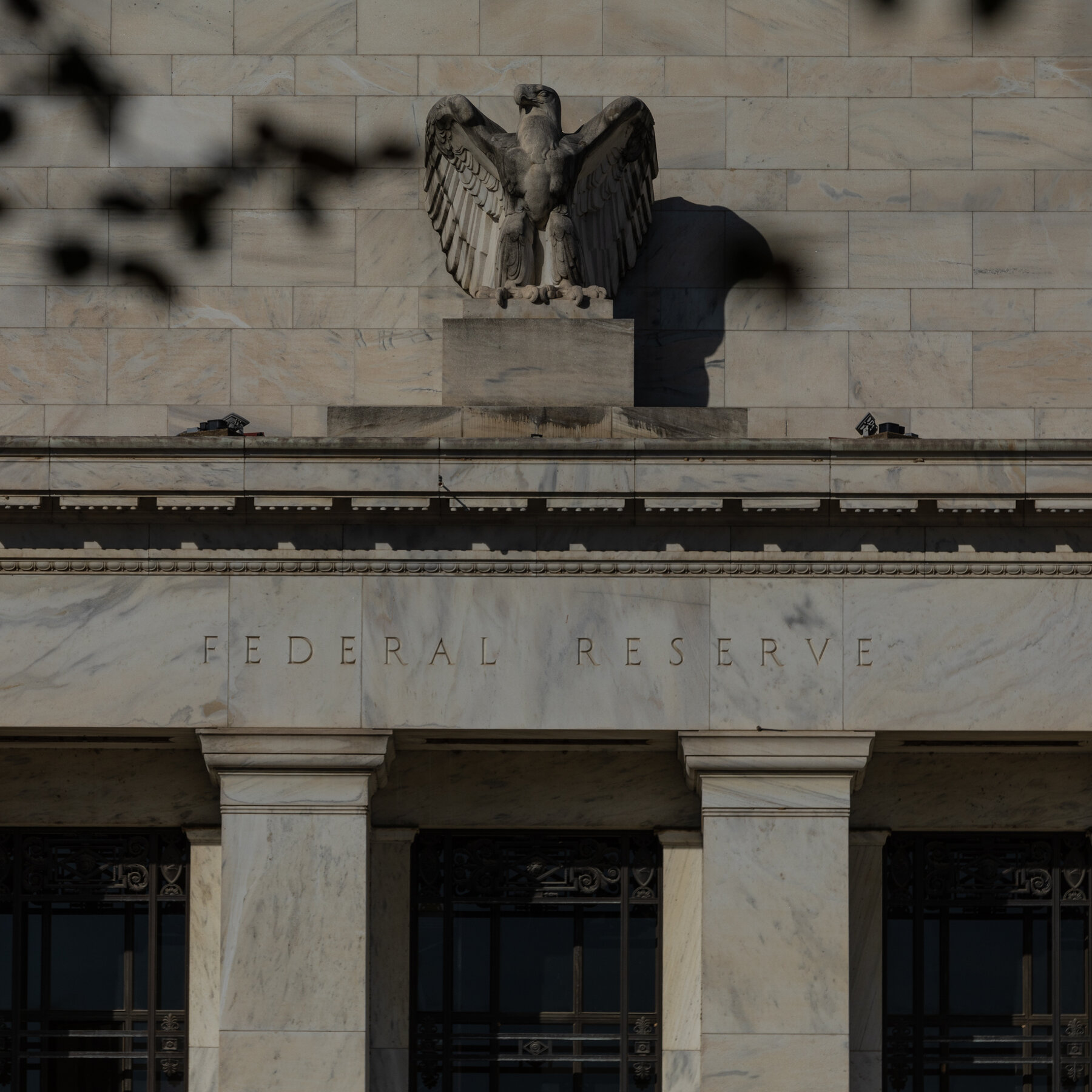
A new survey from the University of Michigan shows consumers souring sharply on the economic outlook as the trade war heats up.According to The New York Times, Federal Reserve officials have consistently emphasized the importance of keeping inflation expectations in check as prices continue to rise due to the escalating global trade war initiated by President Trump. However, their efforts were dealt a major setback on Friday when a new survey from the University of Michigan revealed a sharp increase in inflation expectations among consumers, coinciding with a decline in consumer sentiment due to fears surrounding the tariffs.
The survey found that respondents now expect inflation to surge to 6.7 percent over the next 12 months, the highest level since 1981 and a significant jump from the March reading of 5 percent. In addition, expectations for inflation over a longer time horizon also rose, with consumers bracing for inflation to remain above 4 percent in five years. This is well above the Fed’s target of 2 percent inflation.
However, there are reasons to approach this data with caution. The survey has been known to reflect political biases, and since President Trump’s return to the White House, Democrats have become more pessimistic about not only inflation, but also growth and the labor market. On the other hand, Republicans have become more positive. However, the recent decline in sentiment in April was seen across all demographics, including age, income, education, geographic region, and political affiliation. Even independents, who have been a major factor in the rise of longer-run inflation expectations, are starting to change their opinions.
One factor that has helped to alleviate concerns about the survey findings is the stability of market measures of longer-run inflation expectations, which are based on U.S. government bonds. This divergence has been significant enough for Fed Chair Jerome H. Powell to refer to the University of Michigan survey as an “outlier” as recently as last month.
Source:Read More