
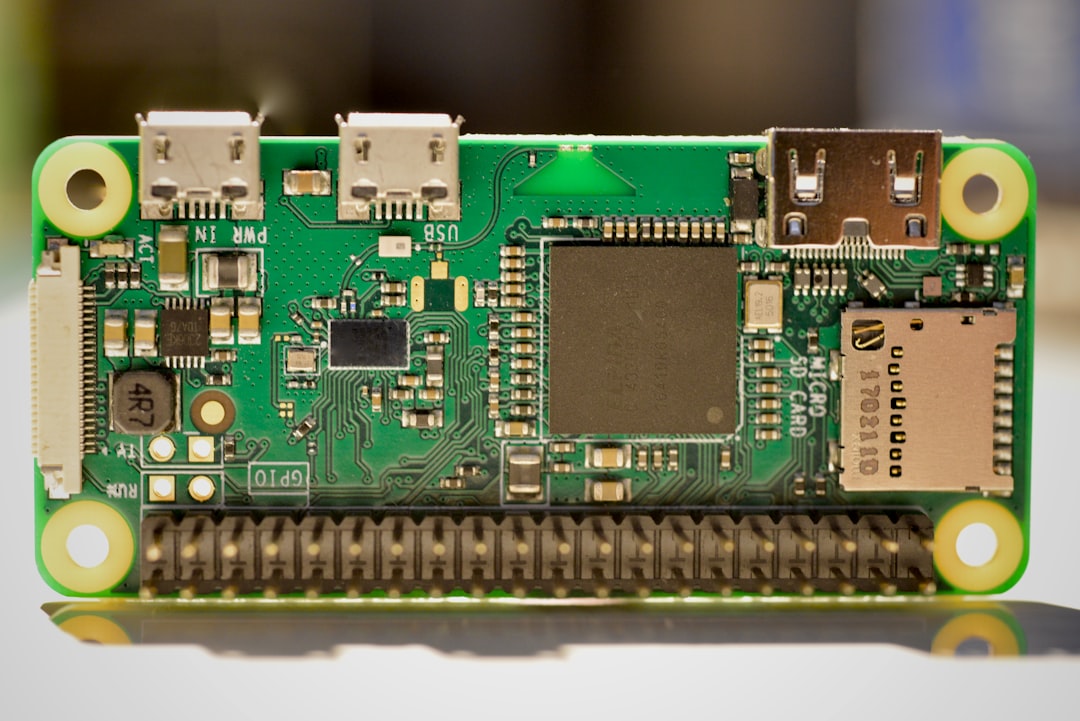
Source: Parth Sanghvi
Quantum Computing: A Revolutionary Leap in Technology
Quantum computing is an emerging technology that represents a groundbreaking advancement, poised to transform industries by solving complex problems far beyond the reach of classical computers. It leverages principles of quantum mechanics, such as superposition and entanglement, to perform parallel computations, making them exceptionally powerful for tasks like cryptography, logistics optimization, and molecular simulation.
In simpler terms, while classical computers operate in a binary state (0 or 1), quantum systems use quantum bits (qubits) that can exist in multiple states simultaneously. This unique capability is akin to searching through a 100-million-page phone book all at once instead of page by page, as Bernstein analysts succinctly illustrate.
Quantum vs Classical Systems: Complementary Roles
Despite their immense potential, quantum computers are not expected to replace classical systems entirely. Instead, they will serve as accelerators to handle specialized tasks, while classical computers will continue to manage routine operations. The analogy can be drawn as using a rocket for space travel alongside a car for everyday commuting—each is optimized for its own purpose.
However, the world of quantum computing is still in its developmental stages, and there are significant challenges to overcome. These include hardware limitations, as qubits are highly sensitive and require near-absolute-zero temperatures for stability. The issue of scalability also persists, as practical applications may need over a million qubits, a milestone that remains distant. Additionally, there is a current shortage of quantum algorithms capable of solving real-world problems, indicating a need for further software development.
Quantum Computing: A Long-Term Investment
Despite these hurdles, Bernstein maintains an optimistic long-term view. Fully fault-tolerant, large-scale quantum computing may not become a reality until around 2050, but the technology is already starting to impact areas such as drug discovery, cybersecurity, and financial modeling. In the near term, investment opportunities are expected to be largely event-driven, with both established tech giants and specialized startups leading the way.
Investment Opportunities in Quantum Computing
Looking at the investment landscape, two main categories of companies stand to benefit: established corporations and specialized startups. Giants like Google (NASDAQ: GOOGL), Microsoft (NASDAQ: MSFT), IBM (NYSE: IBM), Intel (NASDAQ: INTC), and Honeywell (NASDAQ: HON) are actively investing in quantum research, demonstrating their commitment to this revolutionary technology.
On the other hand, specialized startups like Rigetti Computing (NASDAQ: RGTI), D-Wave Quantum Inc (NYSE: QBTS), IONQ (NYSE: IONQ), and QuantumCTek (SS:688027) are pioneering quantum innovations. These companies are carving out a niche for themselves in the quantum computing market with their unique offerings and research initiatives.
The Potential of Quantum Computing
While the field is still evolving, quantum computing holds the potential to redefine industries by offering unprecedented computational power. The potential applications of quantum computing are vast, ranging from improved weather forecasting to the development of new drugs and materials, and even to solving complex logistical problems.
Utilizing FMP APIs for Quantum Computing Insights
To keep abreast of the developments in this sector, investors can leverage Financial Modeling Prep (FMP) APIs. The SEC Filings API allows access to regulatory filings and disclosures from quantum computing companies, providing insights into their research and development investments and strategic initiatives.
The Financial Growth API enables the analysis of financial growth metrics to evaluate the performance and scalability prospects of firms investing in quantum technologies. These tools can offer valuable insights for investors looking to navigate this transformative sector.
Conclusion
Quantum computing is on the cusp of revolutionizing technology by tackling problems that classical systems cannot solve. Despite significant challenges, the long-term potential for breakthroughs in AI, cybersecurity, and drug discovery remains enormous. As the industry evolves, keeping an eye on regulatory filings and financial growth through reliable FMP APIs can offer valuable insights for investors looking to navigate this transformative sector. The journey towards fully functional quantum computers may be long, but the path is filled with exciting opportunities for both companies and investors alike.