
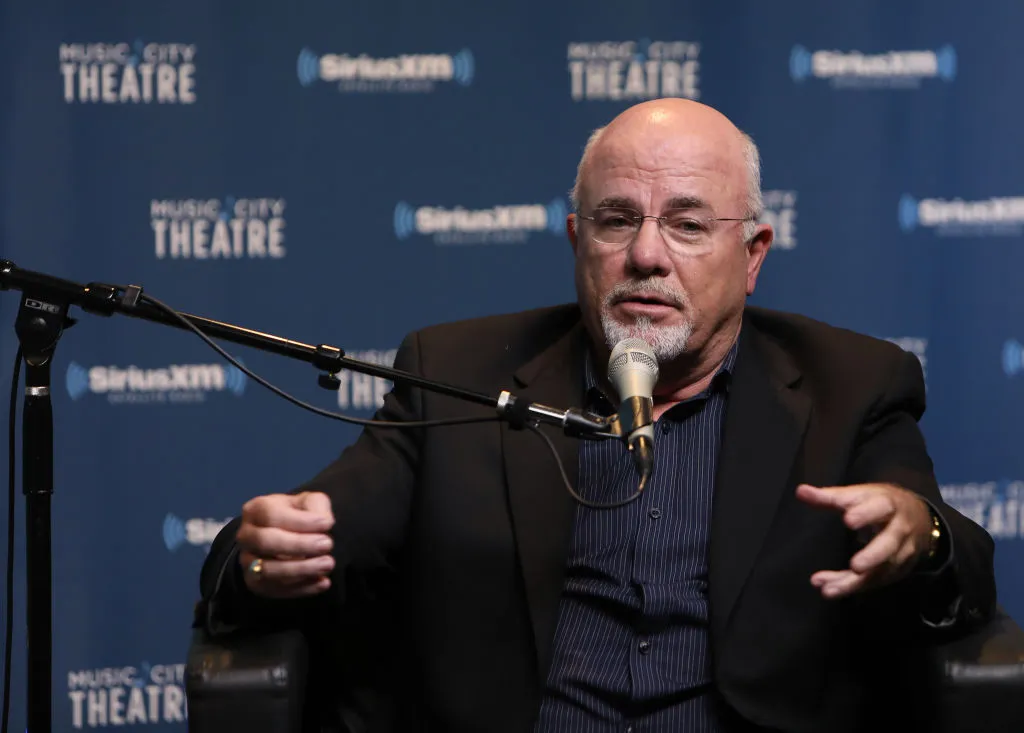
Financial guru Dave Ramsey has built a career around telling people how to get out of debt and build wealth. He is adamant that you should prioritize paying off debt, including your mortgage.
But there are some financial steps it makes sense to do first — ones that even Ramsey says should come before paying off your mortgage.
Must Read
- Experts are Bullish on Gold — Here’s How to Get In
- Warren Buffett on Market Volatility — and 3 Ways You Can Take Advantage
Why Ramsey emphasizes paying off your debt
Ramsey recommends savers enter retirement debt-free, and that includes paying off your mortgage. Housing is the largest expense for most people, and knocking out your mortgage frees up your savings and income — like Social Security benefits — for other expenses and investments. Fixed expenses can also become risky if the stock market enters a correction. Retiring without a mortgage is less stressful than entering your golden years with a balance.
Mortgages are unique from other types of debt since they have lower annual percentage yields (APRs) than higher-interest debt, like credit cards. That’s why it’s important for retirees to carefully consider whether it actually makes sense to pay off all their debt.
Retirement planning is not a one-size-fits-all proposition. Rushing to pay off low-interest debt may not make sense for someone who is behind on saving in their 401(k) and taxable brokerage accounts. Each person has different goals, living expenses and portfolios, and those variances require personalized strategies. You can speak with a financial planner to discuss your next steps or do your own due diligence to construct a portfolio that matches your objectives.
Where People Are Investing Right Now
- Motley Fool’s monthly stock recommendations — get expert advice and portfolio strategies
- ‘The Higher the Balance, the More You’ll Earn’: Open a savings account with CIT Bank and get 3.75% APY
- Check out SoFi’s no commission investing platform
What to do before paying off your mortgage
As you might expect, Ramsey’s company Ramsey Solutions recommends paying off consumer debt such as credit cards and student loans, before focusing on your mortgage. It also says to build up an emergency so you can cover at least three to six months’ worth of expenses. That way you don’t have to take out a loan to cover an emergency expense.
Ramsey also says to invest 15% of your income for retirement. Keeping your mortgage instead of paying it off early lets you build your portfolio faster. It’s also very feasible to outperform a 4% APR if you put your money into the stock market and other investments. Being financially secure in retirement isn’t just about being debt-free. It also requires having a large enough portfolio to keep up with living expenses. Putting your money to work in the stock market is often a more productive use than paying off a low-interest mortgage early.
Ramsey also recommends putting money aside for your kids’ college education if you have children. Saving in tax-advantaged 529 plans allows your money to grow in the stock market like the money in your 401(k) or individual retirement account (IRA), but it’s specifically to save for education.
Must Read
- Experts are Bullish on Gold — Here’s How to Get In
- Warren Buffett on Market Volatility — and 3 Ways You Can Take Advantage
Financial guru Dave Ramsey has built a career around telling people how to get out of debt and build wealth. He is adamant that you should prioritize paying off debt, including your mortgage.
But there are some financial steps it makes sense to do first — ones that even Ramsey says should come before paying off your mortgage.
Must Read
Experts are Bullish on Gold — Here’s How to Get In
Warren Buffett on Market Volatility — and 3 Ways You Can Take Advantage
Why Ramsey emphasizes paying off your debt
Ramsey recommends savers enter retirement debt-free, and that includes paying off your mortgage. Housing is the largest expense for most people, and knocking out your mortgage frees up your savings and income — like Social Security benefits — for other expenses and investments. Fixed expenses can also become risky if the stock market enters a correction. Retiring without a mortgage is less stressful than entering your golden years with a balance.
Mortgages are unique from other types of debt since they have lower annual percentage yields (APRs) than higher-interest debt, like credit cards. That’s why it’s important for retirees to carefully consider whether it actually makes sense to pay off all their debt.
Retirement planning is not a one-size-fits-all proposition. Rushing to pay off low-interest debt may not make sense for someone who is behind on saving in their 401(k) and taxable brokerage accounts. Each person has different goals, living expenses and portfolios, and those variances require personalized strategies. You can speak with a financial planner to discuss your next steps or do your own due diligence to construct a portfolio that matches your objectives.
Where People Are Investing Right Now
Motley Fool’s monthly stock recommendations — get expert advice and portfolio strategies
‘The Higher the Balance, the More You’ll Earn’: Open a savings account with CIT Bank and get 3.75% APY
Check out SoFi’s no commission investing platform
What to do before paying off your mortgage
As you might expect, Ramsey’s company Ramsey Solutions recommends paying off consumer debt such as credit cards and student loans, before focusing on your mortgage. It also says to build up an emergency so you can cover at least three to six months’ worth of expenses. That way you don’t have to take out a loan to cover an emergency expense.
Ramsey also says to invest 15% of your income for retirement. Keeping your mortgage instead of paying it off early lets you build your portfolio faster. It’s also very feasible to outperform a 4% APR if you put your money into the stock market and other investments. Being financially secure in retirement isn’t just about being debt-free. It also requires having a large enough portfolio to keep up with living expenses. Putting your money to work in the stock market is often a more productive use than paying off a low-interest mortgage early.
Ramsey also recommends putting money aside for your kids’ college
Source:Read More