
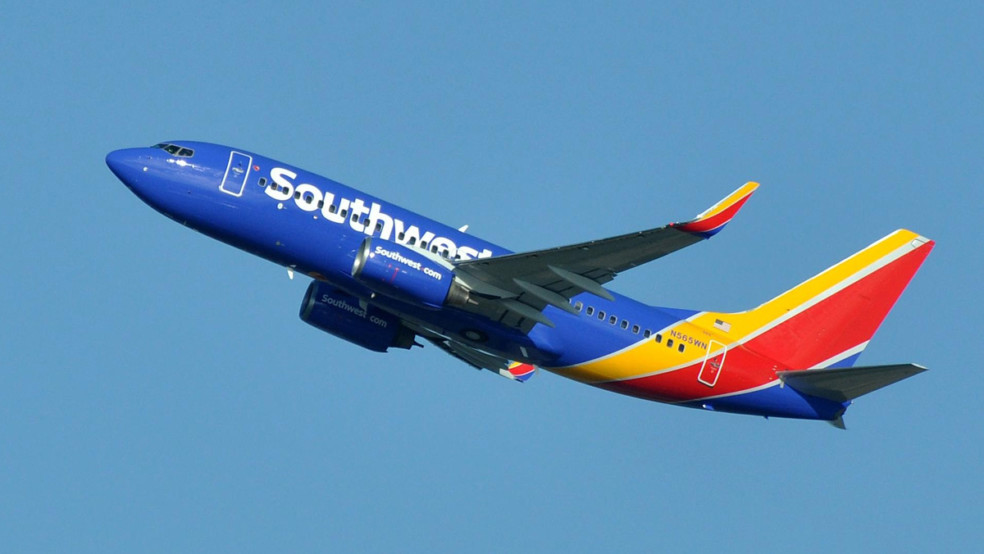
Source: Tony Dante
Southwest Airlines’ Strategic Shift to Assigned Seating
Southwest Airlines (NYSE:LUV), a major American airline, has recently shifted its operational strategy, sparking interest among both customers and investors. Known for its low-cost, no-frills service, Southwest Airlines has been a significant player in the airline industry since its inception in the 1970s. The company has traditionally operated with an open seating policy, allowing passengers to choose their seats upon boarding. However, this policy has been replaced with assigned seating, a change that is expected to significantly influence the airline’s future profitability and stock performance.
Morgan Stanley’s Confidence in Southwest Airlines
On January 29, 2026, Morgan Stanley, a leading global financial services firm, maintained its “Overweight” rating for Southwest Airlines, with the stock price at $48.44. This rating indicates that Morgan Stanley believes the company’s stock is expected to outperform the average return of the market over the next 12 months. Additionally, the investment bank raised its price target for LUV from $50 to $55, reflecting its confidence in the airline’s recent strategic changes and its potential for future growth.
The decision to maintain the “Overweight” rating and increase the price target is largely based on the airline’s shift to assigned seating. This move, which represents a significant departure from Southwest’s traditional operational model, is viewed as a potential driver of increased profits and heightened investor interest.
Projected Impact of Assigned Seating on Profits and Stock Performance
The introduction of assigned seating is projected to increase Southwest Airlines’ profits fourfold. This forecast has been well-received by investors, resulting in a significant surge in the company’s share prices. On a recent Thursday, LUV’s stock surged over 15%, marking its most significant rise in 17 years. This increase is largely attributed to investor enthusiasm about the new seating policy and the potential opportunities it presents for upselling.
Operational Changes Aimed at Enhancing Customer Experience and Driving Revenue Growth
In addition to introducing assigned seating, Southwest Airlines has made other significant operational changes. The airline has introduced extra legroom options and varied fare choices, which are expected to enhance customer experience and drive revenue growth. These changes represent the largest operational shift in the company’s history and have positioned Southwest for a strong performance in 2026.
Current Stock Performance of Southwest Airlines
As of now, LUV’s stock is priced at $48.43, reflecting an 18.53% increase with a change of $7.57. The stock has fluctuated between a low of $42.68 and a high of $49.12 today, with the latter marking its highest price over the past year. On the other hand, the lowest price for the year was $23.82. Southwest Airlines has a market capitalization of approximately $25.05 billion, and the trading volume for the day is 30.97 million shares. This performance, coupled with Morgan Stanley’s positive rating, suggests a promising future for Southwest Airlines, particularly as the company continues to navigate its strategic operational changes.