
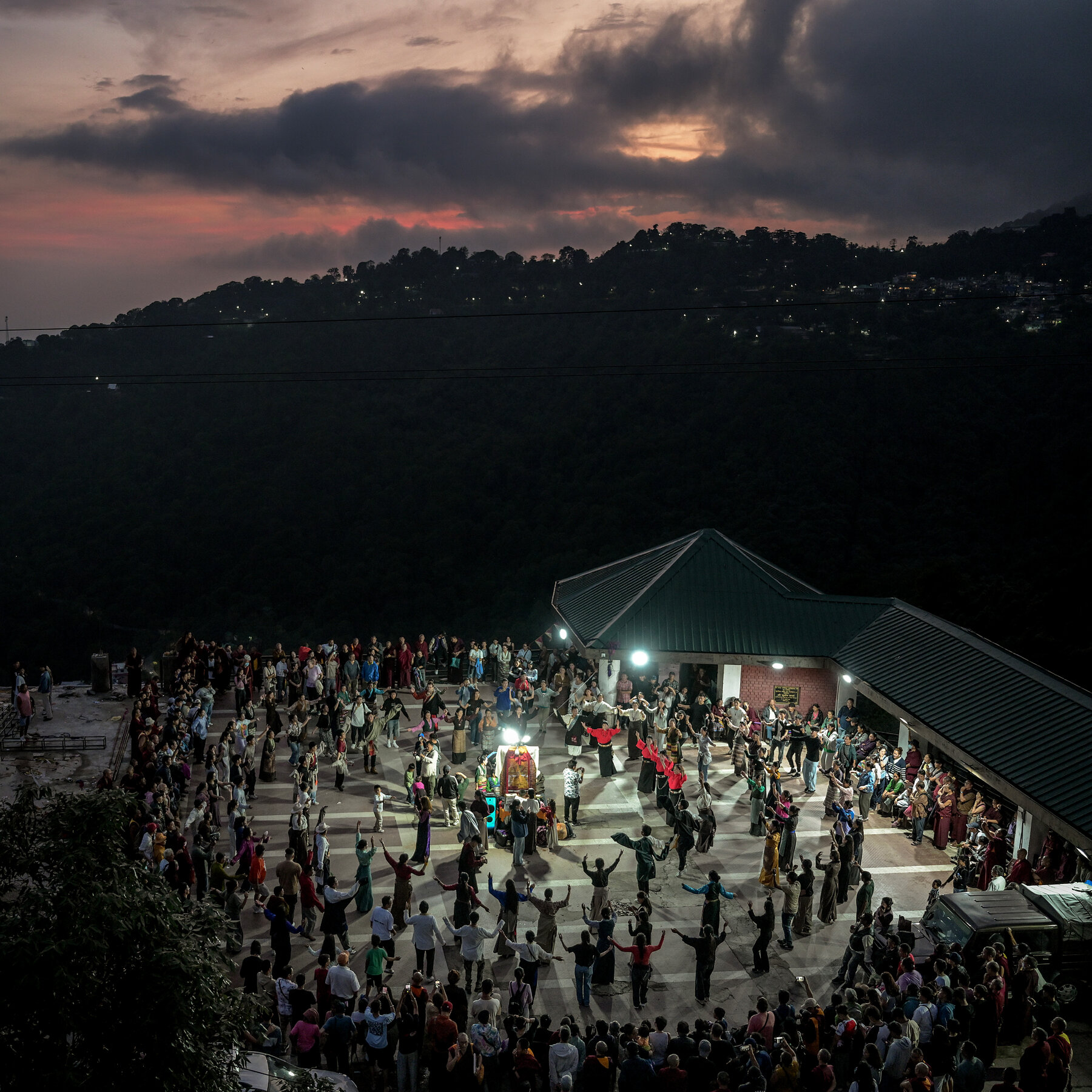
The exile government that was built by the Dalai Lama to preserve Tibetans’ cultural identity will be put to the test by his eventual succession.According to The New York Times, the Dalai Lama fled Chinese persecution in the 1950s and built a nation in exile. As a young leader, he believed that the survival of this nation depended on the implementation of democracy, which had long fascinated him. This belief was partly due to his natural inclination and partly a strategic move.
During his visits to neighboring India, the Dalai Lama was impressed by the country’s culture of open debate in its nascent republic. He also recognized that too much power had been vested in one person as both the spiritual and political leader of Tibet. In order to address this issue, he gradually devolved his own power to an elected Parliament based in the Indian Himalayas. In 2011, he retired from his political role completely.
According to senior monks and officials close to him, the Dalai Lama believed that creating a robust structure not dependent on a single leader would help exiled Tibetans withstand Beijing’s efforts to crush their movement for freedom and autonomy. In his own words, “The rule by kings and religious figures is outdated. We have to follow the trend of the free world, which is that of democracy.” As he celebrates his 90th birthday on Sunday, the Dalai Lama’s decision to give up his political role continues to be a significant milestone in the history of Tibet.
Source:Read More