
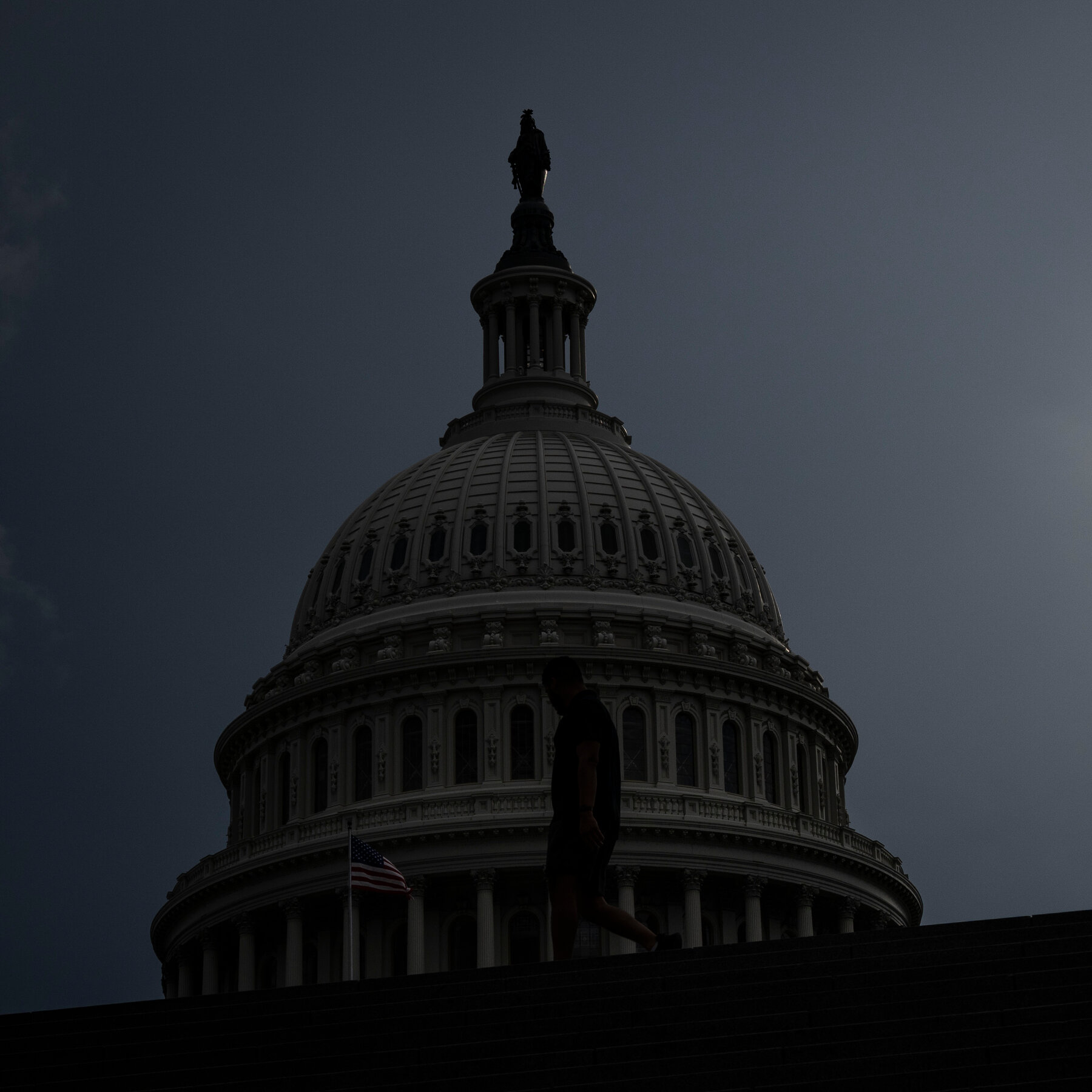
Among the most expensive pieces of legislation in years, the Republican bill could reshape the country’s finances for a generation.The Republican bill, which was recently passed through the Senate, has been deemed one of the most expensive pieces of legislation in years. This bill has the potential to significantly alter the country’s financial landscape for years to come. Washington has a track record of lacking fiscal discipline, with both Republicans and Democrats passing bills that have slowly eroded the nation’s finances. However, analysts say that this particular bill stands out for its detrimental impact on the budget. Not only does an initial analysis show that it will add at least $3.3 trillion to the national debt over the next decade, but it will also decrease the amount of tax revenue collected by the country for decades. This could lead to a major shift in the nation’s fiscal trajectory and increase the risk of a debt crisis.
The danger lies in the fact that Senate Republicans have voted to make the tax cuts, which were first passed in 2017, a permanent fixture in the tax code. This means that the country’s debt, which is already at concerning levels, will only continue to grow as the bill reduces the main source of revenue. According to Jessica Riedl, a senior fellow at the conservative think tank Manhattan Institute, this is the most expensive piece of legislation since the 1960s. She warns that Congress is adding trillions of dollars in new borrowing on top of already skyrocketing deficits.
In the past, such a significant change in the country’s finances would require bipartisan support, which would help limit the amount of debt added at one time. This is because reconciliation, the special legislative procedure used by Republicans to pass the bill without the threat of a filibuster, has a rule that bills cannot add to the debt for more than 10 years. However, Republicans chose to ignore this rule and used an accounting trick to argue that the $3.8 trillion cost of extending the 2017 tax cuts is actually zero, allowing them to continue indefinitely.
According to The New York Times, this bill has the potential to reshape the country’s finances for a generation. It is a reflection of the lack of fiscal discipline in Washington and the dangerous path that the country is heading towards. The bill’s passage through the Senate along party lines is a concerning sign, as historically, such a significant change in the country’s finances would require bipartisan support. The consequences of this bill could be severe, and it is crucial for lawmakers to address the growing debt and deficits before it’s too late.
Source:Read More