
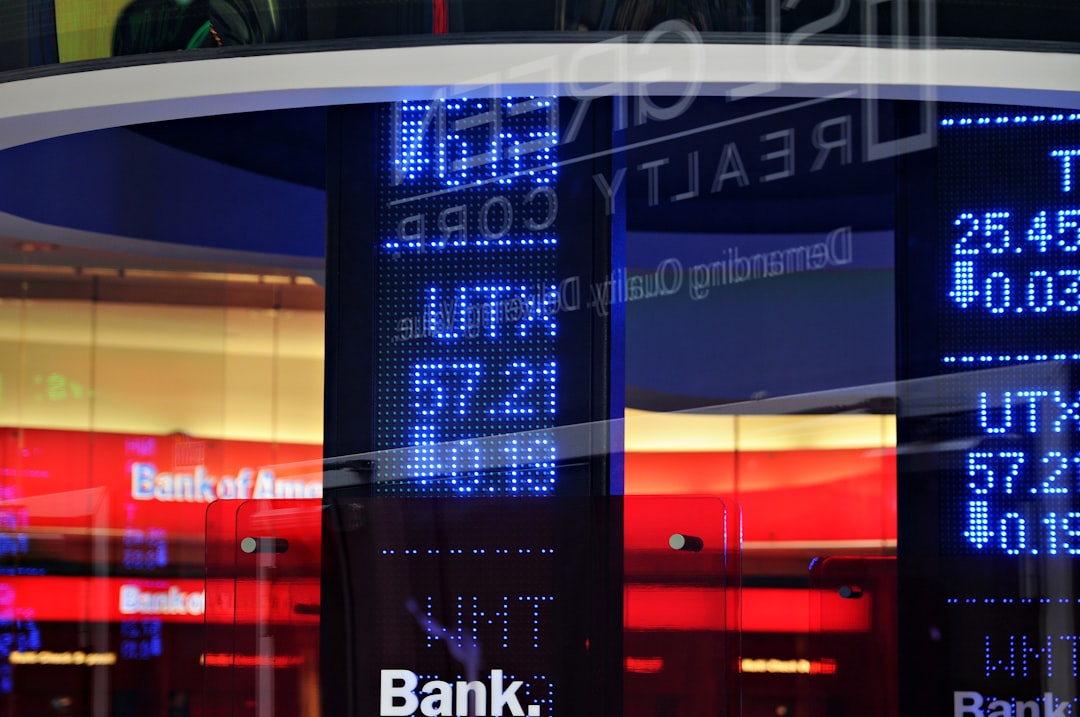
Source: Parth Sanghvi
U.S. Stock Market Closes Lower Amid Economic Uncertainties
The S&P 500 barely managed to stay afloat on Wednesday as the market was burdened with weaker-than-expected U.S. private payrolls data and mounting trade tensions. This comes ahead of an expected phone call between President Trump and Chinese President Xi Jinping. As the market closed at 4:00 p.m. ET, the Dow Jones Industrial Average had fallen 92 points (−0.2%), the S&P 500 ended flat, and the Nasdaq Composite climbed 0.3%.
These market movements reflect the ongoing anxieties about the health of the U.S. economy, the direction of U.S. trade policy, and the potential for further monetary policy adjustments by the Federal Reserve.
ADP Report Undershoots Forecasts
On Wednesday morning, the ADP National Employment Report revealed that only 37,000 new private-sector jobs were added in May. This figure falls drastically short of the consensus estimates of 160,000 and is also lower than the upwardly revised figure of 60,000 for April. The underwhelming data suggests a broad softening in the labor market as the economy continues to struggle with ongoing tariff uncertainties.
Why It Matters:
The ADP data is significant as it is often seen as a precursor to the Bureau of Labor Statistics’ nonfarm payrolls report, due to be released on Friday. Economists expect this report to show 130,000 jobs added. However, the disappointing ADP figures may cause some to revise their forecasts downward.
The timing and details of the BLS report and other key economic indicators can be tracked using a Calendar of U.S. Economic Releases.
Trump’s Reaction: “Powell Must LOWER THE RATE”
Following the release of the ADP data, President Trump took to Truth Social to express his disappointment. He called on Fed Chair Jerome Powell to cut interest rates, tweeting, “ADP NUMBER OUT!!! ‘Too Late’ Powell must now LOWER THE RATE”
This tweet underscores the White House’s growing impatience with the Fed’s current policy stance. Despite this, Chairman Powell has consistently emphasized a data-dependent approach to monetary policy. Given the increasing headwinds from trade policy and slowing economic growth, market participants are closely monitoring any shift in the Federal Reserve’s rhetoric following the softening labor market data.
Beige Book Signals Slowing Activity
The Fed’s Beige Book, also released on Wednesday, painted a mixed picture of economic activity across the U.S. According to the report, “half of the Districts reported slight to moderate declines in activity,” while “three Districts reported no change,” and “three Districts reported slight growth.” These observations underscore a patchy economic slowdown that aligns with uneven labor market trends.
How Trade Tensions Are Compounding Uncertainty
As President Trump prepares to speak with President Xi later this week, investors are bracing for potential volatility:
U.S.–China Tariff Rhetoric: Any indication of heightened tariff threats could unsettle the market, even if the leaders agree to minor concessions.
Tariff-Driven Economic Drag: Rising tariffs on materials like steel, aluminum, and technology inputs are increasing costs for businesses. This could further impact hiring and investment decisions.
Although markets have priced in a partial easing of trade tensions following the mid-May tariff truce, the upcoming call between Trump and Xi remains a critical turning point. A successful dialogue could reignite equities, while any sign of a breakdown may trigger fresh volatility.
Sector Performance and Market Movers
Despite the S&P 500’s overall flat performance, certain sectors stood out from the rest:
Technology: The Nasdaq’s +0.3% gain was largely driven by strong performance in the semiconductor and software industries, which have been less directly impacted by tariffs.
Industrials and Materials: Shares in these sectors lagged as investors worried over slowing factory activity and potential increases in input costs.
Financials: Although Treasury bonds remained relatively stable, keeping mortgage rates in check, banks experienced mixed trading ahead of Friday’s jobless claims and payrolls data.
For real-time insights into stock movements and trading volumes, consult the Market – Most Active API.
What to Watch Next
U.S. Jobs Report (Friday at 8:30 a.m. ET): The consensus expects 130,000 nonfarm payrolls and a stable 3.7% unemployment rate. A shortfall could push Treasury yields lower, while a beat may tighten financial conditions.
Fed Speak and Policy Minutes: Keep an eye on any post-meeting commentary from Fed officials. Any clarification on the impact of the labor data will be key.
Trump-Xi Call Outcomes: Track official White House and Chinese Ministry of Commerce statements for any adjustments in trade policy.
Bottom Line
Wednesday’s muted equity action highlights the delicate balance between softening labor data and hopes that a conversation between Trump and Xi will alleviate tariff fears. By monitoring the economic calendar and active stock leaders, investors can stay prepared for the next potential market swing.
As the U.S. economy navigates through these uncertainties, investors are urged to stay informed and prepared for any sudden changes in market dynamics.