
Source: Davit Kirakosyan
Tesla’s Cybertruck Misses Expectations
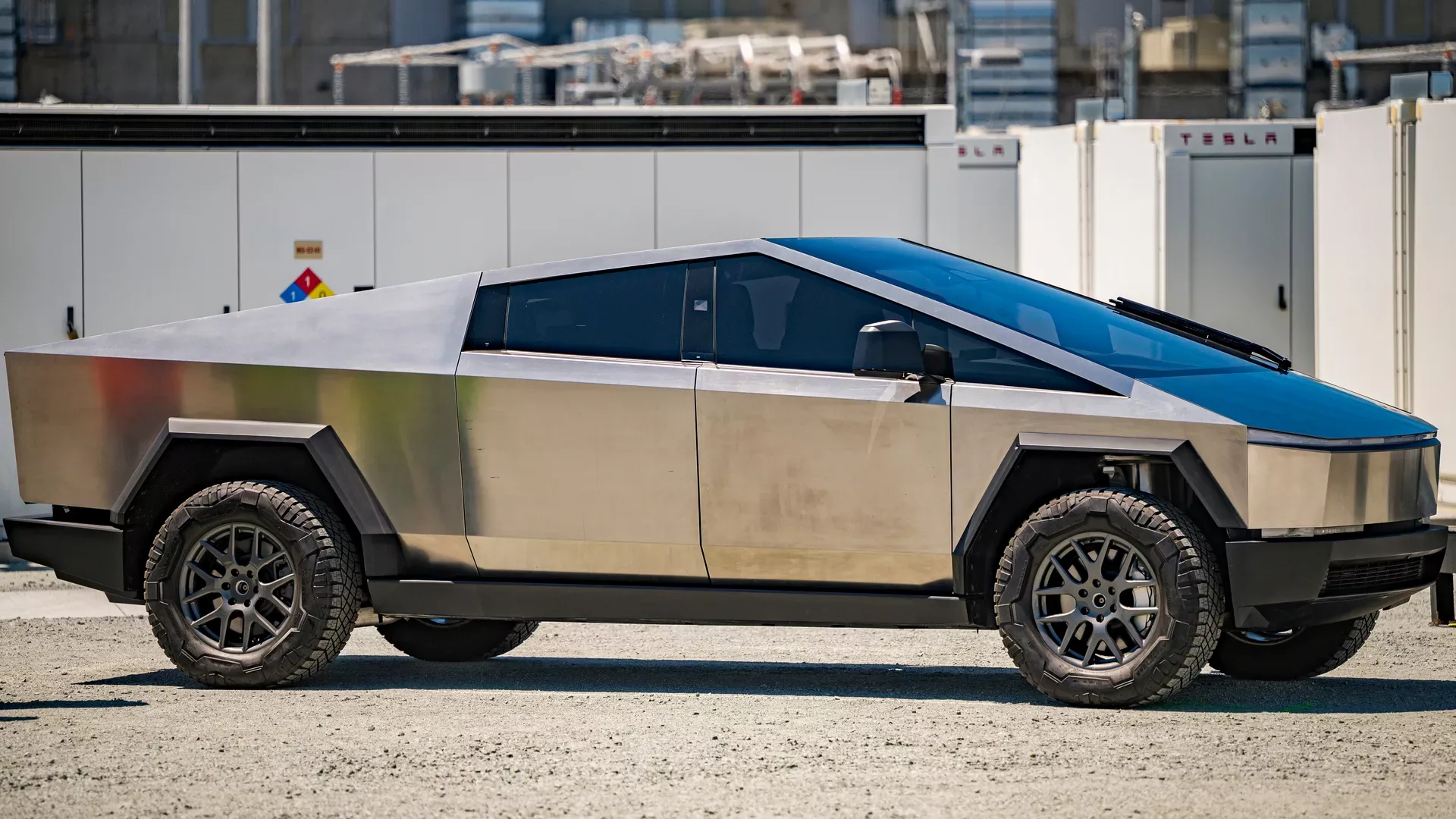
Tesla’s (NASDAQ:TSLA) highly-anticipated Cybertruck has underperformed in its initial year of production, with only 35,000 to 40,000 units delivered for 2024, including 15,000 in the fourth quarter. The company’s shares consequently dropped around 6% in the aftermath of this announcement. This underwhelming performance stands in stark contrast to earlier projections by the company, which anticipated up to 2 million orders. As a result, Bernstein analysts have begun to question the viability and profitability of the vehicle moving forward.
The Cybertruck’s disappointing performance not only affects Tesla’s share price but also raises important questions about the company’s strategic direction. Analysts point out that the Cybertruck, despite its futuristic appeal, has yet to break even on a gross margin basis. This is due to a combination of factors, including its limited demand and high production costs. Bernstein analysts have gone so far as to describe the vehicle as a significant strategic error, noting that its four-year development cycle has diverted Tesla’s focus from creating a more affordable model. This, they argue, is something the company urgently needs to remain competitive in an increasingly crowded electric vehicle market.
Tesla’s Broader Financial Performance
Looking beyond the Cybertruck, Tesla’s broader financial performance also presents some cause for concern. In an effort to boost sales in the fourth quarter, the company engaged in aggressive price cuts and financing incentives. However, these moves are predicted to push the company’s auto gross margins below 15% when excluding regulatory credits and one-time software revenue. This margin is lower than nearly all major U.S. and European internal combustion engine manufacturers, with Ford being the sole exception.
Bernstein’s projections show Tesla’s annual earnings declining from $2.60 per share in 2023 to approximately $2.10 in 2024, even when factoring in an additional $1 billion in regulatory credits. These numbers underscore the increasing pressure on Tesla’s profitability amid fierce competition in the electric vehicle market and rising costs associated with production and R&D.
Skepticism Over Tesla’s Autonomy Ambitions
On top of these challenges, Tesla’s ambitious plans in the autonomy space have also drawn skepticism. The company’s push toward developing a fleet of robotaxis has been met with doubts from market observers. Bernstein analysts, in particular, have expressed skepticism about Tesla’s ability to outpace rivals like Waymo. They cite Tesla’s more limited sensor technology, potential regulatory hurdles, and a less robust edge in accident simulation training.
Even if Tesla manages to achieve Level 5 autonomy before its competitors, questions remain about its ability to maintain dominance in the space. Achieving full autonomy is only part of the challenge; the company will also need to navigate a complex regulatory landscape and fend off competition from well-funded rivals. In this context, the analysts caution that Tesla’s current lead in electric vehicle technology does not necessarily guarantee its future success in autonomous driving.
Overall, Tesla’s performance in 2024 points to an increasingly challenging landscape for the electric vehicle titan. While the company has been a trailblazer in the industry, the initial underperformance of the Cybertruck and mounting financial pressures highlight the hurdles Tesla will need to overcome to maintain its competitive edge in a rapidly evolving market.