
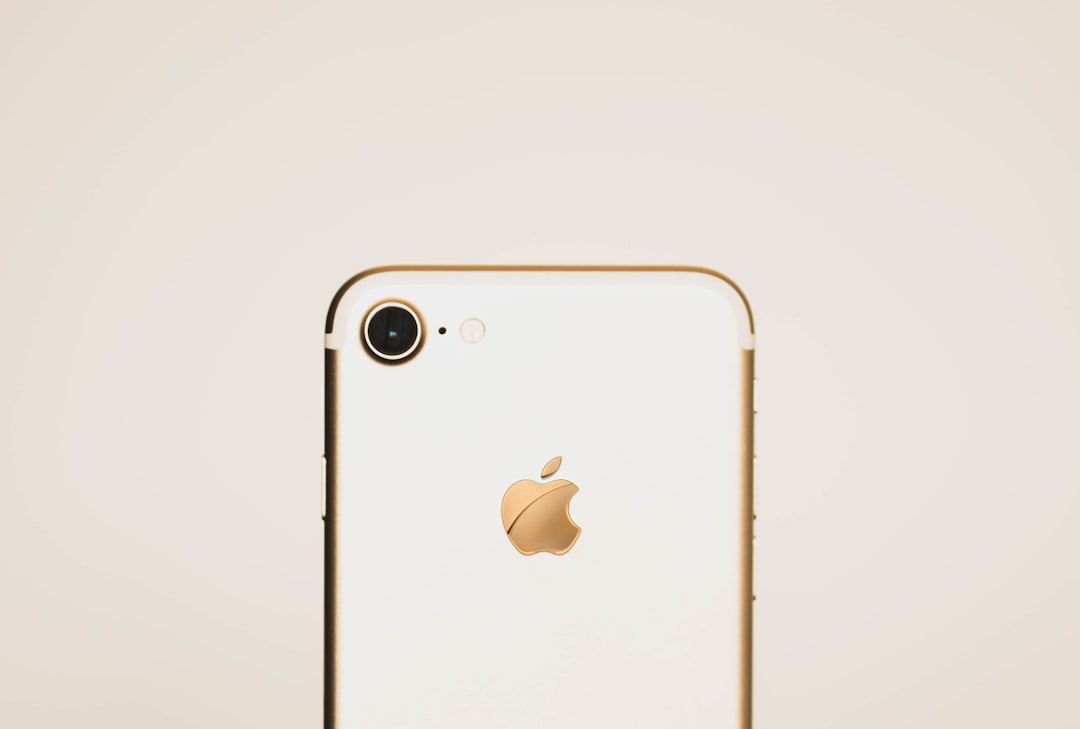
Source: Parth Sanghvi
Apple’s Strategic Move in China: A Rare Discount on iPhone 16 Series
In an unexpected move to bolster its market position in China, the world’s largest smartphone market, Apple is offering customers rare discounts on its latest iPhone 16 series. This strategic move comes amid the growing competition Apple faces in China and the economic downturn impacting consumer spending. From January 4 to 7, customers in China can enjoy reductions of up to 500 yuan ($68.50) on select models when using specific payment methods.
Understanding the Discount Details amid Economic Challenges
The discounts are applicable across multiple models of the iPhone 16 series. The iPhone 16 Pro Max, originally priced at 9,999 yuan, is discounted by 500 yuan, as is the iPhone 16 Pro, which was initially priced at 7,999 yuan. The iPhone 16 Plus and the iPhone 16 are both discounted by 400 yuan.
The promotional offer is designed to navigate the economic challenges currently being experienced in China’s economy, including deflationary pressures and cautious consumer spending. In November, China’s consumer inflation hit a five-month low, underscoring the challenges for discretionary spending. This economic condition could potentially impact the sales of non-essential items, including premium smartphones like the iPhone 16 series. For a deeper understanding of these economic trends, the Economics Calendar API serves as a useful reference tool.
The Huawei Factor: Intensifying Competition in the Smartphone Market
Apple’s decision to offer discounts is also a response to the intensified competition from local rivals, particularly Huawei. Huawei has made significant inroads into the premium smartphone segment since re-entering the market in August 2023. The company’s advanced locally-made chipsets and aggressive pricing strategies have allowed it to gain substantial traction. Over the same weekend, Huawei also cut prices by as much as 3,000 yuan on several high-end devices through popular e-commerce platforms.
The sales data reflects this competition. Huawei’s Q3 smartphone sales surged by 42% year-over-year, while in contrast, Apple’s sales dipped by 0.3% over the same period. Despite this, Apple managed to recover its position among China’s top five vendors after falling out in Q2 2024, according to IDC Research. The Individual Industry Classification API provides further insights into the performance of key players like Apple and Huawei against their industry peers.
Apple’s China Strategy: A Short-Term Boost or a Long-Term Gameplan?
While the discounts may provide a short-term boost in sales, Apple’s broader challenge lies in maintaining relevance in the face of growing local competition. Chinese competitors are quickly adapting to the preferences of Chinese consumers, and Apple must respond strategically if it wants to maintain its market share. Offering value-added services, tailoring features for the local market, and leveraging Apple’s brand prestige could all play a critical role in this ongoing battle.
Conclusion: A Test of Innovation and Strategy
Apple’s rare iPhone discounts in China represent a strategic attempt to sustain market share in an increasingly competitive landscape. With Huawei’s momentum on the rise and China’s economic headwinds posing challenges, 2025 is likely to be a crucial year for Apple. The company’s ability to innovate—not just in technology but in business strategy—will be put to the test. As Apple continues to navigate the complex dynamics of the world’s largest smartphone market, its strategic moves will be closely watched by investors, competitors, and consumers alike.