
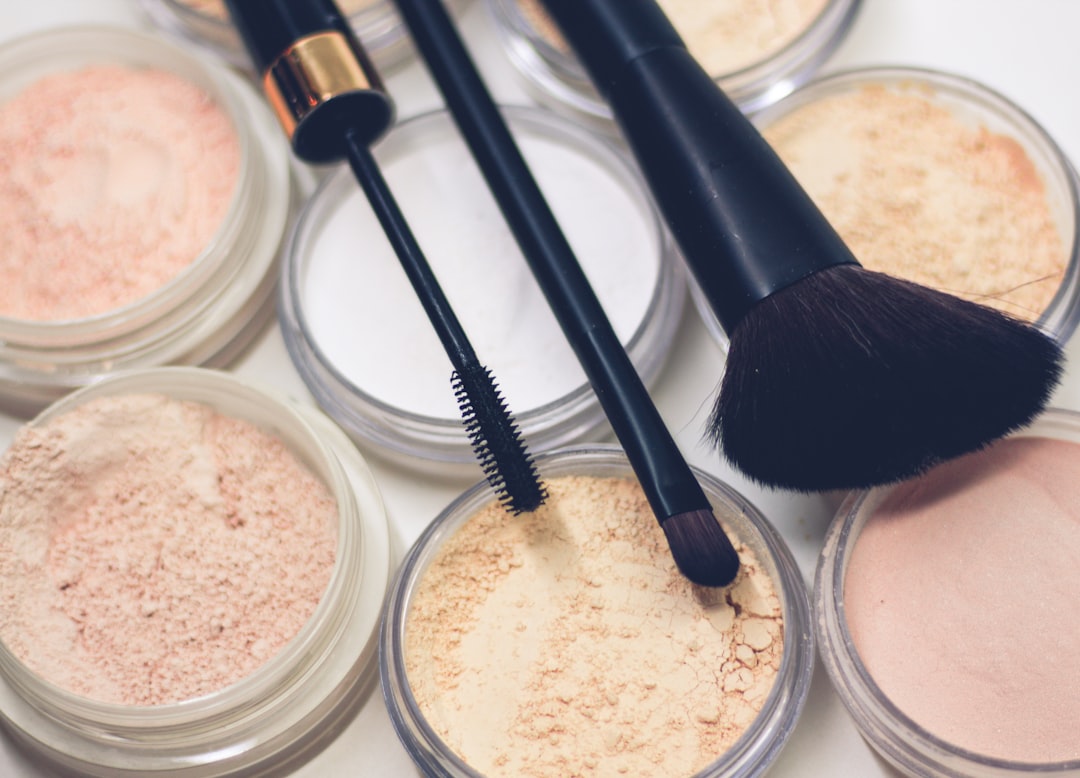
Source: Parth Sanghvi
Beauty Industry Enters 2025 on a Weak Note
As we start 2025, the global beauty industry is grappling with numerous challenges. Major players in the sector, including L’Oréal (EPA: OREP), Coty (NYSE: COTY), Estée Lauder, and Elf Beauty, have reported disappointing Q4 2024 results. The industry’s growth rate has slowed down significantly, down to 3.5% in the second half of 2024 from 5.5% in the first half. This slowdown is a reflection of broad-based weakness across various regions and product categories. Interestingly, the only exception to this downtrend is the fragrance segment, which continues to show resilience in these challenging times.
Industry Challenges and Regional Trends
The beauty industry, which has always been seen as a robust and fast-growing sector, is now faced with several challenges. These issues span from regional economic conditions, shifting consumer preferences, to rising production costs.
1. Asia and North America Face Continued Weakness
The Asia Travel Retail market, a significant revenue source for the beauty industry, is expected to contract further in Q1 2025. This expected contraction can be attributed to several factors such as reduced tourist numbers due to the global economic slowdown and travel restrictions.
In mainland China, a crucial market for the global beauty industry, the situation remains bleak. Despite hopes for a rebound, the market continues to be in a slight decline. This downturn comes amidst the backdrop of a slowing economy and weakened consumer sentiment in the country.
Meanwhile, the makeup sector in North America is under pressure, with dermocosmetics or ‘skincare makeup’ slowing down. This trend highlights the shift in consumer preferences towards more natural and minimalistic beauty routines.
2. Fragrances Buck the Downtrend
Despite the gloomy scenario, the fragrance segment stands out as a bright spot in the industry. Its continued resilience can be attributed to the experiential nature of fragrances, which remains appealing to consumers even during economically challenging times.
3. Rising Costs Add to Industry Struggles
The beauty industry is also grappling with rising costs, which are impacting margins. UBS has warned that a quick turnaround in Q2 may seem unrealistic considering these challenges. Inventory rebuilding in North America and new product launches could help, but they may not be enough to offset the broader weakness in the industry.
4. Beiersdorf’s Outlook in Focus
In the midst of these industry-wide challenges, all eyes are on Beiersdorf (ETR: BEIG) as it is set to report earnings on February 27. UBS expects a 7.8% organic sales growth in Q4 for Beiersdorf but warns that the company may miss its 2025 outlook. The forecasted growth of 5.1% for 2025 also lags behind the market consensus of 6%.
Investment Takeaways: Monitoring Key Metrics
Given these industry dynamics, investors need to keep a close eye on several key metrics for informed decision-making. These include global beauty sector growth trends, particularly in crucial markets such as China and North America. The performance of the fragrance segment should also be monitored closely as it continues to defy broader industry weakness.
Furthermore, the impact of new product launches on demand recovery and the effects of rising costs and inventory trends across major beauty brands should also be taken into account.
To gain a deeper financial analysis of the beauty industry’s key players, including growth trends, financial metrics, and valuation insights, consider exploring Financial Modeling Prep’s Full Financials API [here](https://site.financialmodelingprep.com/developer/docs#full-financial-as-reported-financial-statements). This tool can provide investors with comprehensive data to navigate the complex landscape of the beauty industry.